

The Science of Healthy Skin Ageing
Skin ageing is not a single process. It is a mix of biology, environment, daily habits, hormones, immune changes and time. Some of it comes from within the body. Much of it comes from repeated exposure to the world around us, especially ultraviolet radiation.
That is good news. While no cream can stop time, the science shows that skin can stay stronger, calmer and more resilient when it is protected and supported. The goal is not to erase every line. It is to help skin function well as it changes.
This article is for general information only and does not replace advice from a doctor, dermatologist or qualified skin professional.

Ageing skin changes in layers
The visible signs of skin ageing often start at the surface, but the deeper story sits underneath.
The skin has three main layers:
Epidermis
The outer layer. It helps keep irritants out, holds water in and renews itself through cell turnover.
Dermis
The support layer. It contains collagen, elastin, blood vessels, nerve endings and fibroblasts, the cells that help produce structural proteins.
Subcutaneous tissue
The deeper fatty layer. It gives shape, cushioning and softness.
As skin ages, several changes tend to happen at once. Cell turnover slows. The barrier may become drier or more reactive. Collagen production drops, while existing collagen becomes more fragmented. Elastin fibres lose some of their snap. The skin may also hold less water and recover more slowly after stress.
That is why ageing skin can show:
Fine lines and deeper wrinkles
Roughness or dullness
Dryness and tightness
Uneven tone or pigmentation
More visible pores
Fragility or slower healing
Loss of firmness
These changes are normal. They also happen at different speeds for different people. Genetics matter, but they are not the whole story.
The two main types of skin ageing
Scientists often describe skin ageing in two broad categories: intrinsic ageing and extrinsic ageing.
Intrinsic ageing comes from internal biology
Intrinsic ageing is the natural ageing process. It is influenced by genetics, hormones, metabolism and the passage of time.
With age, fibroblasts in the dermis become less active. They produce less collagen and elastin, and the skin’s repair systems slow down. Skin also tends to produce less sebum, which can make it feel drier. After menopause, lower oestrogen levels can contribute to reduced thickness, dryness and a drop in collagen support.
Intrinsic ageing tends to produce fine lines, gradual thinning and mild laxity. It is usually steady and slow.
Extrinsic ageing comes from outside stress
Extrinsic ageing is driven by external factors. The biggest one is ultraviolet radiation from the sun. Other contributors include pollution, smoking, poor sleep, high stress, repeated inflammation and some lifestyle patterns.
In Australia, this part matters a lot. UV exposure can be high even on cool or cloudy days, and incidental sun exposure adds up over years. Walking to the car, sitting near a window and weekend sport all count.
UV radiation speeds up visible ageing through a process called photoageing. It can trigger pigment changes, break down collagen, damage elastin and increase oxidative stress. Photoaged skin may look leathery, uneven, blotchy or deeply lined.
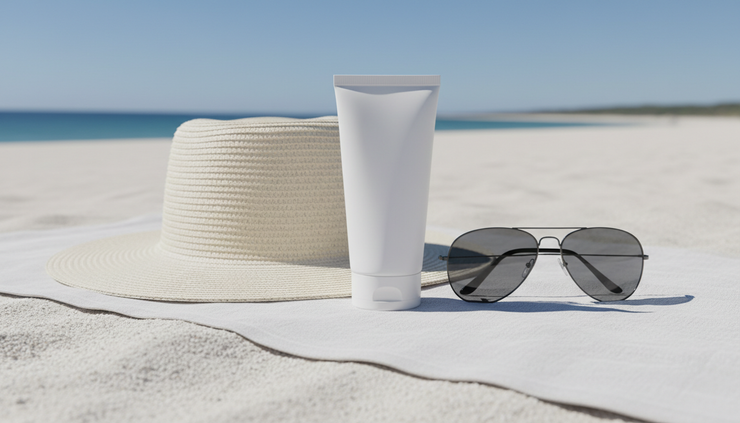
The most effective ageing support is often the least glamorous: protect skin from repeated UV damage, then support repair with ingredients that have evidence behind them.
What happens to collagen, elastin and the skin barrier
Collagen gets most of the attention in anti-ageing conversations, but healthy skin ageing relies on more than collagen alone.
Collagen gives skin structure
Collagen is the main structural protein in the dermis. It works like scaffolding. When collagen is abundant and organised, skin looks firmer and smoother.
Age and UV exposure both reduce collagen quality. UV can stimulate enzymes called matrix metalloproteinases, often shortened to MMPs, which break down collagen. At the same time, collagen production may slow. This creates a double hit: less new support and more breakdown of existing support.
This is one reason sunscreen matters so much. It does not just prevent sunburn. Used consistently, it helps reduce ongoing collagen damage caused by UV exposure.
Elastin gives skin bounce
Elastin allows skin to stretch and return to shape. With age and sun damage, elastin fibres can become damaged or disorganised. Skin may then look looser or less springy.
This change is hard to reverse with topical products alone. Some ingredients may improve the appearance of firmness, but prevention remains more reliable than repair.
The barrier keeps skin comfortable
The skin barrier sits in the outer layer of the epidermis. It works like a brick wall. Skin cells are the bricks. Lipids, including ceramides, cholesterol and fatty acids, act like mortar.
When the barrier is strong, skin holds moisture better and reacts less easily. When it is impaired, skin can become dry, flaky, itchy, stinging or inflamed.
Barrier care becomes more important with age because ageing skin often produces less oil and may recover more slowly from harsh products, over-exfoliation or weather changes.
A barrier-supportive routine might include:
A gentle cleanser
A moisturiser with barrier lipids or humectants
Careful use of active ingredients
Daily sunscreen
Fewer harsh scrubs and stripping toners
Simple is often better than aggressive.
Oxidative stress, inflammation and glycation all play a role
Skin is constantly exposed to stress. Some stress comes from sunlight. Some comes from pollution, heat, poor sleep, smoking or inflammation. The body has repair systems, but those systems can become less efficient over time.
Oxidative stress damages skin cells
Oxidative stress happens when unstable molecules called free radicals outnumber the body’s antioxidant defences. UV radiation is a major trigger. Pollution and smoking can also contribute.
Free radicals can damage cell membranes, proteins and DNA. In the skin, this may contribute to dullness, uneven tone, collagen breakdown and rough texture.
Antioxidants help neutralise free radicals. The body makes some antioxidants, and diet provides others. Topical antioxidants, such as vitamin C, vitamin E, ferulic acid, resveratrol and niacinamide, can also support the skin, especially when paired with sunscreen.
They are not a substitute for sunscreen. Think of them as another layer of defence.
Chronic inflammation can make skin age faster
Short-term inflammation is part of healing. Long-term, low-grade inflammation is different. It can place ongoing pressure on skin repair and barrier function.
Repeated irritation from harsh products can create a similar problem. If a routine leaves skin burning, peeling and tight all the time, it may be doing more harm than good. Strong actives can be useful, but skin needs recovery time.
This is where professional guidance can help, especially for people using retinoids, acids or treatments. Searches for anti ageing skincare, SkinCeuticals Australia, skincare Australia, Pt78 Skin and Body and professional skincare often come from the same place: wanting results without damaging the barrier.
Glycation stiffens skin proteins
Glycation is a process where sugar molecules bind to proteins such as collagen and elastin. This can create advanced glycation end products, often called AGEs. These can make structural proteins stiffer and less flexible.
Glycation is part of normal ageing, but lifestyle patterns may influence it. A balanced diet, regular movement and stable metabolic health all support the body as a whole, including the skin.
No skincare product can “undo” glycation in a complete way. The better approach is steady prevention and support.
Ingredients with the strongest scientific support
The skincare market is full of claims. Some ingredients have better evidence than others. The best routine does not need to be complicated, but it should be consistent.
Sunscreen is the non-negotiable step
Daily broad-spectrum sunscreen is the most important topical product for long-term skin health. In Australia, SPF50+ is commonly recommended for strong protection when used correctly.
Broad-spectrum means it helps protect against both UVA and UVB.
UVB is more linked with sunburn.
UVA penetrates deeper and contributes strongly to photoageing.
Use enough product, reapply when needed and combine it with shade, hats, sunglasses and protective clothing. Sunscreen works best as part of sun-smart behaviour, not as permission to bake.
Retinoids support cell turnover and collagen
Retinoids are vitamin A derivatives. They include over-the-counter retinol and retinal, as well as prescription options such as tretinoin.
Research supports retinoids for improving the appearance of fine lines, uneven texture and photoaged skin. They work by influencing cell turnover and supporting collagen-related processes.
The main issue is tolerance. Retinoids can cause dryness, peeling and irritation, especially at the start.
A sensible approach:
Start slowly, two or three nights a week
Use a pea-sized amount for the face
Apply moisturiser to reduce irritation
Avoid combining with too many strong actives at once
Use sunscreen every morning
Retinoids are not suitable for everyone, including during pregnancy or breastfeeding unless a healthcare professional advises otherwise.
Vitamin C helps with antioxidant support and brightness
Vitamin C is best known for antioxidant protection and supporting a brighter, more even-looking complexion. It also plays a role in collagen synthesis in the body.
Topical vitamin C can be helpful, but formula quality matters. Some forms are unstable and may oxidise quickly. Packaging, concentration and skin tolerance all influence results.
It pairs well with sunscreen in the morning because both help defend against environmental stress.
Niacinamide is gentle and versatile
Niacinamide, a form of vitamin B3, is one of the most useful ingredients for ageing skin. It can support the barrier, help even the look of tone, reduce the appearance of redness and improve the look of pores.
It is usually well tolerated and works with many routines. For sensitive or dry skin, it can be a good place to start before stronger actives.
Exfoliating acids smooth texture when used wisely
Alpha hydroxy acids, such as glycolic and lactic acid, help loosen dead surface cells. Beta hydroxy acid, or salicylic acid, can help oily or congestion-prone skin.
Exfoliation can make skin look smoother and brighter. Too much can weaken the barrier.
Mature skin often needs less exfoliation than people think. Once or twice a week may be enough for many people, depending on the formula and skin type.
Peptides and growth-factor-style products may support appearance
Peptides are short chains of amino acids used in many firming and repair-focused products. Some have promising evidence for improving the appearance of skin texture, hydration or firmness.
They are not as proven as sunscreen or retinoids, but they can be useful in a well-rounded routine, especially for people who cannot tolerate stronger actives.
Lifestyle choices shape the skin’s ageing environment
Skincare matters, but skin is part of the body. It responds to sleep, stress, diet, hormones and health conditions.
Sleep is repair time
During sleep, the body carries out repair tasks across many systems. Poor sleep can affect barrier recovery, inflammation and the way skin looks the next day.
No serum can fully compensate for ongoing sleep debt. A steady sleep routine supports both skin and general health.
Protein, healthy fats and plants all matter
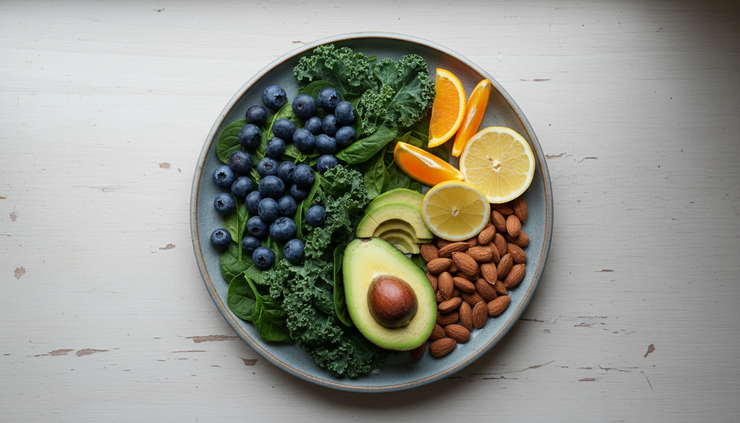
Skin needs raw materials. Protein provides amino acids for structural proteins. Healthy fats support barrier lipids. Colourful plant foods provide antioxidants and other compounds that support general wellbeing.
For healthy skin ageing, the most useful eating pattern is usually boring in the best way: enough protein, plenty of plants, wholegrains where tolerated, healthy fats and less reliance on highly processed foods.
Hydration also matters, but drinking extra water will not automatically erase wrinkles unless dehydration is part of the problem.
Smoking speeds up visible ageing
Smoking is strongly linked with premature skin ageing. It affects blood flow, collagen and oxidative stress. It can also contribute to dullness and deeper lines, especially around the mouth.
Stopping smoking benefits far more than the skin. The skin is just one visible reason.
Movement supports circulation and metabolic health
Regular physical activity supports circulation, metabolic health, sleep and stress regulation. These all influence the skin’s internal environment.
That does not mean intense training is required. Walking, strength training, cycling, swimming or yoga can all help when done consistently.
A practical routine for ageing skin
The science can be complex, but the routine does not have to be.
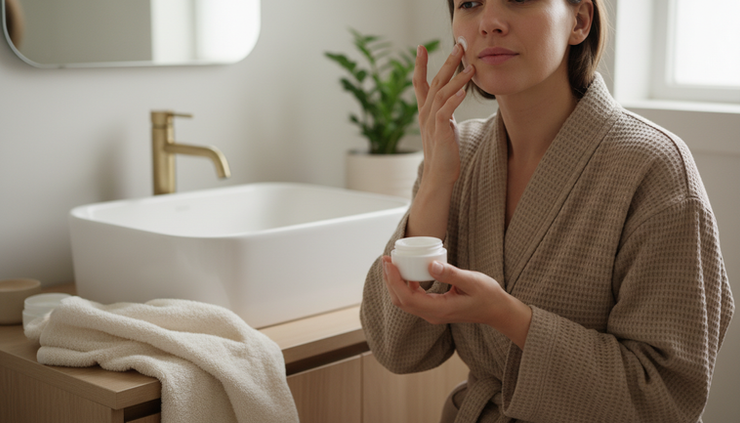
A strong daily framework looks like this:
Morning | Evening |
Gentle cleanse or rinse | Gentle cleanse |
Antioxidant serum if tolerated | Retinoid or treatment step |
Moisturiser if needed | Moisturiser to support the barrier |
Broad-spectrum SPF50+ sunscreen | Recovery nights when skin feels dry or irritated |
The details can change based on skin type.
Dry or sensitive skin may need richer moisturisers, fewer actives and more recovery nights. Oily or breakout-prone skin may prefer lighter textures and careful use of salicylic acid. Pigmentation-prone skin often needs strict UV protection, antioxidants and ingredients that support a more even-looking tone.
The common thread is consistency. Skin responds to repeated signals over time. Jumping from product to product every week makes it harder to know what is working.
A good test for any routine is simple:
Does skin feel comfortable most days?
Is dryness, stinging or flaking under control?
Is sunscreen used daily?
Are actives introduced slowly?
Is there a clear reason for each product?
If the answer is yes, the routine is probably on the right track.
The real goal is skin that functions well
Ageing skin is not failed skin. It is skin with a longer history. Lines, texture and pigment changes are normal, but discomfort, ongoing irritation and preventable sun damage deserve attention.
The science points to a steady approach: protect against UV, support the barrier, use proven ingredients carefully and treat the skin as part of the body. Healthy skin ageing is less about chasing a flawless surface and more about keeping skin resilient, comfortable and able to do its job.
Choose sunscreen every morning. Add actives with patience. Give the barrier respect. The best results usually come from the habits that look simple, repeated long enough to matter.


Comments