

Professional Skincare at Home Benefits for Healthier More Radiant Skin
Healthy skin rarely comes from one dramatic treatment. More often, it comes from the small things done well, every morning and night, with products that suit the skin and a routine that can actually be maintained.
That is where professional skincare at home has real value. It brings a more considered, treatment-focused approach into the bathroom cabinet, without replacing the need for expert advice when skin concerns are complex. For many people, it can help improve texture, support the skin barrier, reduce visible dullness, and make skin look more even and fresh over time.
Professional-style home skincare is not about using the strongest product available. It is about using the right ingredients, in the right order, at the right pace.
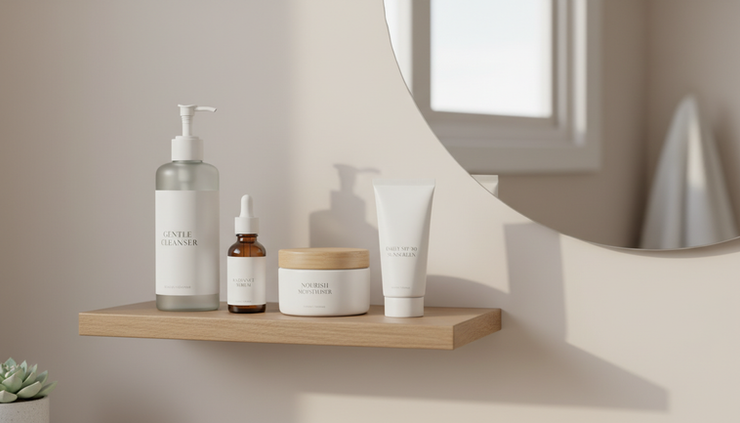
Professional skincare at home gives your routine a clear purpose
A basic routine often focuses on cleansing and moisturising. That can be enough for some skin types, especially if the products are gentle and sunscreen is used daily. Professional-style skincare goes a step further. It targets specific concerns, such as uneven tone, dehydration, visible pores, congestion, fine lines, redness, or loss of radiance.
The benefit is structure. Instead of guessing, a professional approach asks simple questions:
What does the skin need right now?
Is the barrier healthy enough for active ingredients?
Which ingredients work well together?
What should be used daily, and what should be used only a few times a week?
How will the routine change in warmer, cooler, humid, or dry weather?
This matters because skin is responsive. It can react to stress, hormones, climate, sleep, medication, diet, and ageing. A routine that worked two years ago may not be enough now. A professional skincare approach helps turn random product use into a plan.
In Australia, that plan needs to make sun protection a priority. UV exposure is one of the biggest external contributors to premature skin ageing and uneven pigmentation. A good home routine should treat sunscreen as a daily essential, not an add-on for beach days.
For anyone searching for professional skincare Australia, the best starting point is not the most popular bottle. It is a routine built around skin type, concern, tolerance, and daily use.
Better ingredients can support better visible results
Professional skincare products often focus on ingredients with a stronger evidence base or more considered formulations. This does not mean every expensive product is better. It means the formula has to be judged by what it contains, how stable it is, how it feels on the skin, and whether it suits the person using it.
Common professional-style ingredients include:
Vitamin C
Often used in the morning to help brighten the look of skin and support protection against environmental stress when paired with sunscreen.
Retinoids
Used at night to support smoother-looking skin and improve the appearance of fine lines, uneven texture, and congestion over time. They need a slow introduction because irritation is common when people start too quickly.
Niacinamide
A versatile ingredient that can support the skin barrier, improve the look of uneven tone, and calm the appearance of redness in many routines.
Alpha hydroxy acids and beta hydroxy acids
Used for exfoliation. AHAs can help with surface dullness and texture, while BHAs are often used for oily or congestion-prone skin. These should not be overused.
Ceramides, glycerin, hyaluronic acid, and panthenol
Barrier-supporting and hydrating ingredients that help skin feel more comfortable and resilient.
People often associate results with active ingredients, but support ingredients matter just as much. Skin that is stripped, dry, or irritated will not usually look radiant, even if the routine includes advanced serums. A healthy barrier helps the skin hold moisture, tolerate actives, and recover from daily stress.
Terms such as medical grade skincare, SkinCeuticals Australia, skincare Australia, and Pt78 Skin and Body are often used when people look for more professional product options or advice. The key is to focus less on labels and more on suitability, correct use, and realistic expectations.
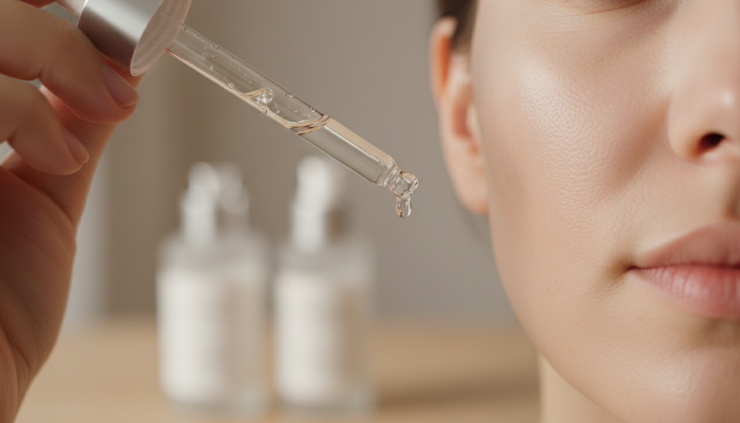
At-home professional skincare helps protect the skin barrier
The skin barrier is the outer layer that helps keep moisture in and irritants out. When it is healthy, skin tends to feel calmer and look smoother. When it is impaired, skin may sting, flake, flush, feel tight, or break out more easily.
Many people damage their barrier without realising it. The usual causes are simple:
Cleansing too often or with harsh products
Using multiple exfoliants in the same week
Starting retinol too quickly
Skipping moisturiser because the skin feels oily
Layering too many active serums
Forgetting sunscreen while using brightening or exfoliating products
Professional skincare at home can reduce these mistakes because it encourages balance. The goal is not to feel a tingle with every product. Tingling is not proof that a product is working. Sometimes it is a warning sign that the skin needs a gentler approach.
A barrier-first routine often looks simple:
Morning
Evening
Gentle cleanse or rinse, antioxidant or hydrating serum, moisturiser if needed, broad-spectrum SPF
Cleanse, treatment product used on schedule, moisturiser or barrier cream
The treatment step may change. Some nights may include a retinoid. Other nights may focus on hydration and repair. This rhythm helps skin adapt.
This is especially useful for people who have tried many products and feel as though their skin is “sensitive”. Sometimes the skin is naturally reactive. Other times, it has become reactive from overuse. A professional approach helps identify the difference.
Consistency gives the skin time to respond
One of the biggest benefits of professional skincare at home is consistency. Clinic treatments can be helpful, but skin also needs daily care between appointments. A good home routine supports the results of treatments such as peels, LED therapy, facials, laser, needling, or acne care.
Most visible skincare improvements take time. Hydration may improve quickly, sometimes within days. Texture, tone, congestion, and the look of fine lines usually need longer. Retinoids and pigment-focused products, for example, often require patient use over weeks to months.
That is why a routine should feel realistic. If it has ten steps and takes too long, it is less likely to last. A shorter routine done every day is usually more effective than an elaborate routine used twice a week.
The most reliable plan is often built around four foundations:
Cleanse without stripping
A cleanser should leave skin clean but not tight. Tightness after cleansing can be a sign the product is too harsh or the water is too hot.
Treat with intention
Use one or two targeted actives rather than layering every trending ingredient. More is not usually better.
Moisturise to support comfort
Even oily skin can need moisturiser. Lightweight lotions or gels can help without feeling heavy.
Protect every morning
Daily broad-spectrum sunscreen is central to preventing further sun-related damage and supporting results from brightening and resurfacing products.
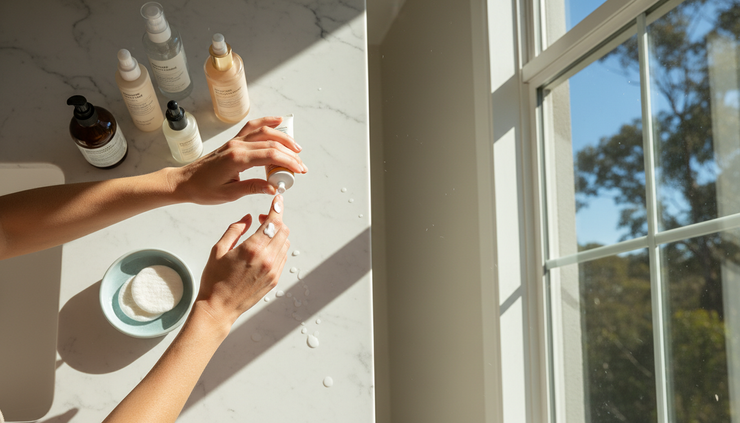
A professional home routine can be more cost-effective over time
A common skincare trap is buying product after product without a plan. One serum promises glow. Another promises smaller pores. A mask feels good for one night. Soon the cabinet is full, but the skin is no better.
Professional skincare at home can save money by reducing trial and error. The routine may include fewer products, but each one has a job. That makes it easier to track what is working and what is not.
A simple, targeted routine can also help prevent avoidable irritation. When the barrier is damaged, people often buy more products to fix the new problem. They may add calming masks, richer creams, extra serums, or spot treatments, when the real issue is overuse.
A smarter approach is to invest in the basics first:
A gentle cleanser
A suitable moisturiser
A daily broad-spectrum sunscreen
One targeted treatment product
A second treatment only if the skin can tolerate it
This keeps the routine manageable. It also makes changes easier. If a reaction happens in a routine with eight active products, it is hard to know what caused it. In a simple routine, patterns become clearer.
Professional guidance can be valuable here. A skin therapist, dermal clinician, pharmacist, GP, or dermatologist can help match ingredients to concerns, especially when acne, rosacea, eczema, pigmentation, or medication use is involved.
Personalisation makes skincare safer and more effective
Skin types are broad categories, but real skin is more specific. Someone can have oily skin that is dehydrated. Another person can have dry skin with breakouts. Mature skin can also be sensitive. Pigmentation-prone skin may need a slower, careful approach to exfoliation and retinoids.
That is why copying another person’s routine often fails. The product that gives one person glowing skin may cause irritation for someone else.
A professional-style routine looks at several details:
Skin type
Dry, oily, combination, balanced, or reactive.
Main concern
Dullness, breakouts, pigment, redness, texture, fine lines, dehydration, or sensitivity.
Tolerance
How the skin reacts to fragrance, acids, retinoids, vitamin C, and sunscreen filters.
Lifestyle
Outdoor work, swimming, gym habits, shift work, travel, pregnancy, or limited time in the morning.
Climate
Australian conditions vary widely. Humid weather may need lighter textures. Dry, cool air may call for stronger barrier support.
Personalisation also means knowing when to stop. If skin becomes sore, hot, flaky, swollen, or persistently red, active products should be paused and professional advice sought. Home skincare should support skin health, not push through irritation.
This article is general information only and does not replace advice from a qualified health professional. Anyone with a diagnosed skin condition, severe acne, suspicious lesions, or persistent irritation should seek medical guidance.
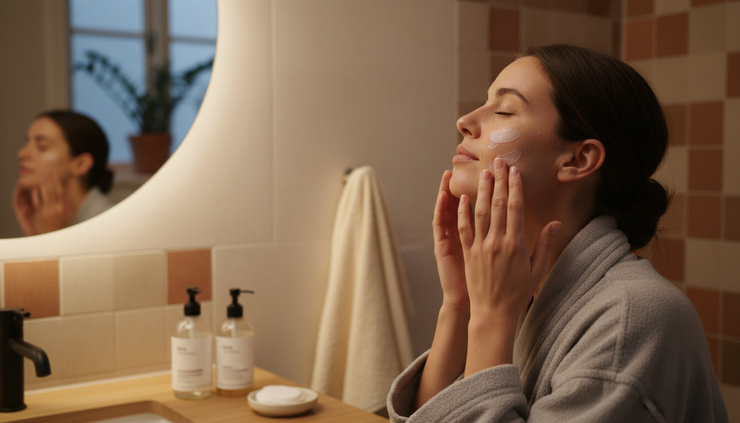
How to get the most from professional skincare at home
The best results usually come from a steady, simple plan. Before adding new products, it helps to take stock of what is already being used. Many routines contain repeated ingredients without the user realising it, especially exfoliating acids, vitamin C, or retinoids.
A practical way to begin is to reset the routine for one to two weeks with cleanser, moisturiser, and sunscreen. Once the skin feels settled, add one active at a time. Use it a few times a week, then increase only if the skin stays comfortable.
Patch testing can also help, especially for sensitive skin. Apply a small amount of product to a discreet area for a few days before using it on the whole face. This does not guarantee there will be no reaction, but it can reduce risk.
Use these simple rules:
Add only one new active product at a time
Give each product enough time before judging it
Do not use strong exfoliants and retinoids on the same night unless advised
Keep sunscreen consistent, especially when using brightening or resurfacing products
Take photos in similar lighting if tracking visible changes
Stop chasing instant results if the skin starts showing signs of stress
Healthy-looking skin is not about perfection. Pores, texture, lines, and occasional spots are normal. The real goal is skin that feels comfortable, functions well, and looks fresh because it is being cared for consistently.
Professional skincare at home offers a practical middle ground. It brings expert thinking into daily care, supports clinic results when relevant, and helps reduce the guesswork that makes skincare frustrating. With the right products, a patient routine, and respect for the skin barrier, healthier and more radiant skin becomes a realistic everyday habit.


Comments