

Preventative Skincare That Lasts in Melbourne Climate: Vitamin C, Retinol and Daily SPF

Good preventative skincare is less about chasing a perfect complexion and more about building habits your skin can tolerate for years. In Melbourne, that means planning for high UV days, sudden weather changes, dry indoor heating, summer humidity, wind exposure and the quiet daily stress of city living.
A lasting routine does not need to be crowded. In fact, the most effective anti-ageing skincare often rests on a few consistent pillars: daily SPF, antioxidant protection, retinol, hydration and barrier care. Brands such as SkinCeuticals are often discussed in this space because their formulas sit firmly in the evidence-led skincare category, especially around vitamin C, hyaluronic acid and retinol. The principle matters more than the label: choose products with proven ingredients, introduce them properly, and respect what your skin is telling you.
This guide is educational and general in nature. For persistent acne, pigmentation, dermatitis, rosacea, melasma or sudden skin changes, seek advice from a qualified skin professional or medical practitioner.

Melbourne skin needs consistency more than complexity
Melbourne’s climate can be difficult to plan around. A cool morning can turn into strong midday sun. A warm day can finish with wind and dryness. In winter, indoor heating often strips moisture from the skin, while cold air can make the barrier feel tight, flaky or reactive. In summer, higher UV exposure and sweat can complicate pigmentation, congestion and sensitivity.
This is why a preventative routine should work across seasons. It should support the skin barrier, reduce unnecessary irritation and protect against the environmental factors most linked with visible ageing.
The main signs people often want to prevent include:
Uneven tone and pigmentation
Fine lines and texture changes
Dullness
Loss of firmness
Dehydration lines
Roughness or sensitivity from overuse of actives
Many of these concerns are influenced by UV exposure. Australia has some of the highest UV levels in the world, and UVA rays can contribute to premature skin ageing even when the weather feels mild. Cloud cover does not make SPF optional. Sitting near windows, walking to coffee, driving across town and exercising outdoors all add up over time.
A reliable routine for Melbourne usually needs three daily priorities.
Morning | Evening | Weekly rhythm |
Protect against light, pollution and dehydration | Repair, replenish and introduce active ingredients | Adjust according to weather, sensitivity and skin goals |
Vitamin C, moisturiser and SPF | Cleanser, retinol or recovery care | Gentle exfoliation only if needed |
Focus on prevention | Focus on tolerance | Focus on consistency |
A common mistake is starting too many active ingredients at once. This can lead to redness, peeling and a damaged barrier, then the whole routine gets abandoned. The routine that lasts is the one your skin can live with.
Build the morning routine around vitamin C and SPF
The morning routine should prepare skin for exposure. It does not need to be long. For most people, a cleanser or rinse, vitamin C, hydration and sunscreen are enough.
Start with a gentle cleanse or rinse
Not every skin type needs a full cleanse in the morning. Dry or sensitive skin may do better with a water rinse, especially in winter. Oily or congestion-prone skin may prefer a gentle cleanser to remove overnight oil and product residue.
The goal is clean, comfortable skin. Tightness after cleansing usually means the cleanser is too stripping.
Add vitamin C for antioxidant support
Vitamin C is one of the best-known ingredients in preventative skincare because research suggests it can help defend against free radical damage, support collagen formation and improve the look of uneven tone. It works especially well in a morning routine under sunscreen.
SkinCeuticals is strongly associated with vitamin C serums, particularly formulas that combine L-ascorbic acid with other antioxidants such as vitamin E and ferulic acid. These combinations are designed to improve antioxidant performance and stability. That said, vitamin C is not one-size-fits-all.
Some skins tolerate L-ascorbic acid beautifully. Others find it tingling, drying or too active. If skin is reactive, a lower-strength vitamin C derivative or a slower introduction may be more suitable.
A sensible approach is:
Apply vitamin C to dry skin after cleansing.
Start three or four mornings per week if sensitive.
Use only a few drops.
Follow with moisturiser if skin feels dry.
Always finish with sunscreen.
Vitamin C can oxidise over time. Keep it away from heat and bright light, close the lid promptly and pay attention to changes in colour, smell or texture.
Use hyaluronic acid when skin needs water
Hyaluronic acid is a humectant, which means it helps attract and hold water in the skin’s upper layers. It does not replace moisturiser, and it is not a complete barrier repair ingredient on its own. It works best when layered under a cream or sunscreen that helps seal hydration in.
In Melbourne winter, hyaluronic acid can be useful when skin feels papery, tight or dehydrated from heating and dry air. In summer, a lightweight hyaluronic serum can add hydration without heaviness.
Products such as SkinCeuticals hyaluronic acid serums are often used to support plumpness and comfort. The key is to apply them correctly. Use on slightly damp skin or follow quickly with moisturiser. If applied alone in very dry conditions, humectants may not feel as comfortable.
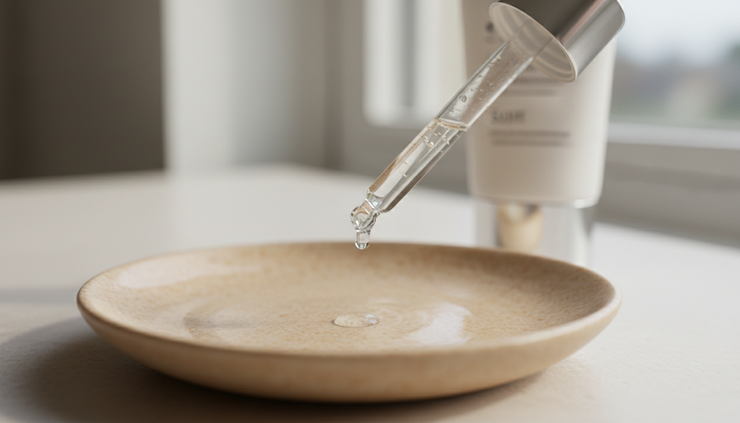
Finish with daily SPF
Daily SPF is the non-negotiable step. If the aim is prevention, sunscreen does more heavy lifting than any serum.
Choose a broad-spectrum sunscreen, ideally SPF 50 or SPF 50+, that suits the way you live. A sunscreen that looks elegant but feels uncomfortable will not be used properly. Texture matters.
For daily Melbourne wear, consider:
A lightweight fluid for oily or combination skin
A richer cream for dry or mature skin
A tinted sunscreen if visible light and pigmentation are concerns
A water-resistant formula for sport, beach days or heavy sweating
Apply enough product to cover the face, ears, neck and any exposed chest. Reapply when outdoors for extended periods, after sweating or after towelling. Makeup with SPF is usually not enough on its own because most people apply too little to reach the labelled protection.
If there is one habit that protects every other step in a skincare routine, it is wearing sunscreen every day and applying enough of it.
Make retinol work by going slowly
Retinol is a vitamin A derivative used in many anti-ageing skincare routines because it can improve the appearance of fine lines, uneven texture, congestion and dullness over time. It is also one of the ingredients most likely to cause irritation when introduced too quickly.
Retinol does not need to be aggressive to be effective. A low, consistent dose often serves the skin better than a strong product used once, followed by a week of peeling.
SkinCeuticals retinol products, for example, are commonly available in graduated strengths. This reflects a useful principle: start low, build slowly, protect the skin barrier.
Use retinol at night only
Retinol belongs in the evening routine. Start with clean, dry skin. Applying retinol to damp skin can increase penetration, which may also increase irritation.
A beginner routine might look like this:
Cleanse gently.
Wait until skin is fully dry.
Apply a pea-sized amount of retinol to the whole face, avoiding the eyelids, corners of the nose and corners of the mouth.
Follow with moisturiser.
Use sunscreen every morning.
Begin one or two nights per week. If the skin stays comfortable for several weeks, increase to every second night. Some people eventually tolerate nightly use, but many do not need it.
Buffer if skin is dry or sensitive
Buffering means applying moisturiser before retinol, after retinol, or both. This can reduce irritation while still allowing the ingredient to become part of the routine.
The “sandwich” method is useful for sensitive skin:
Lightweight moisturiser
Retinol
Moisturiser again
This is particularly helpful in Melbourne winter, when the skin barrier may already be under pressure from cold weather and heating.
Know when to pause
Redness, burning, swelling, rawness or persistent peeling are signs to stop and repair the barrier. Mild dryness can be common at first, but pain and inflammation are not goals.
Pause retinol after strong exfoliation, sunburn, waxing, laser treatments or professional peels unless a clinician has advised otherwise. Avoid retinoids during pregnancy or breastfeeding unless cleared by a medical practitioner.
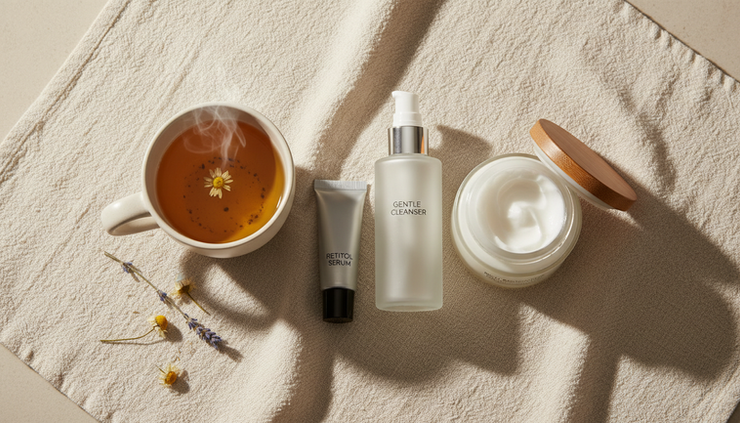
Keep the barrier strong through seasonal changes
A preventative routine can fall apart when the barrier is ignored. The skin barrier helps reduce water loss and keeps irritants out. When it is compromised, even good products can sting.
Signs the barrier needs attention include:
Stinging from products that are usually comfortable
Flaking around the nose, mouth or cheeks
Tightness after moisturising
Redness that does not settle
Sudden sensitivity to actives
Barrier care is not glamorous, but it is what allows vitamin C, retinol and SPF to remain useful long term.
Choose moisturiser by season and skin feel
Melbourne skin often needs a wardrobe approach. A light moisturiser may work in summer, while winter calls for something more cushioning.
Look for ingredients such as glycerin, ceramides, panthenol, squalane, niacinamide or shea butter, depending on skin type and preference. Hyaluronic acid can help with water content, while ceramides and emollients support comfort and barrier function.
Oily skin still needs moisturiser. Skipping it can sometimes make active ingredients harder to tolerate and sunscreen less comfortable to apply.
Be cautious with exfoliation
Exfoliating acids can brighten and smooth the skin, but they are not essential every night. Combining acids, scrubs, vitamin C and retinol too often can create irritation rather than radiance.
If exfoliation belongs in the routine, keep it modest. Once weekly may be enough for many people. Avoid using exfoliating acids on the same night as retinol when building tolerance.
Do not change everything at once
When skin is not improving, the temptation is to add more. A better approach is to change one thing at a time and give it several weeks. This makes it easier to identify what helps and what irritates.
A simple long-term structure might be:
Morning routine | Evening routine |
Cleanse or rinse | Cleanse |
Vitamin C | Retinol on selected nights |
Hyaluronic acid if needed | Moisturiser or barrier serum |
Moisturiser if needed | Recovery nights when skin feels dry |
SPF 50 or SPF 50+ | No actives if irritated |
Recovery nights are not failures. They are part of a sustainable plan. On those nights, skip retinol and exfoliants. Use gentle cleanser, hydrating serum and moisturiser only.
A lasting routine is measured in years, not weeks
Preventative skincare is quiet work. The best results often come from repeated, unremarkable choices: applying sunscreen before leaving home, using vitamin C most mornings, introducing retinol carefully, moisturising before the skin feels stripped and adjusting the routine when the weather changes.
SkinCeuticals can have a thoughtful place in this kind of routine, especially for those seeking evidence-led vitamin C, retinol and hyaluronic acid formulas. Still, the strength of any routine lies in fit and consistency. A premium product used irregularly will not outperform a well-chosen routine used with care.
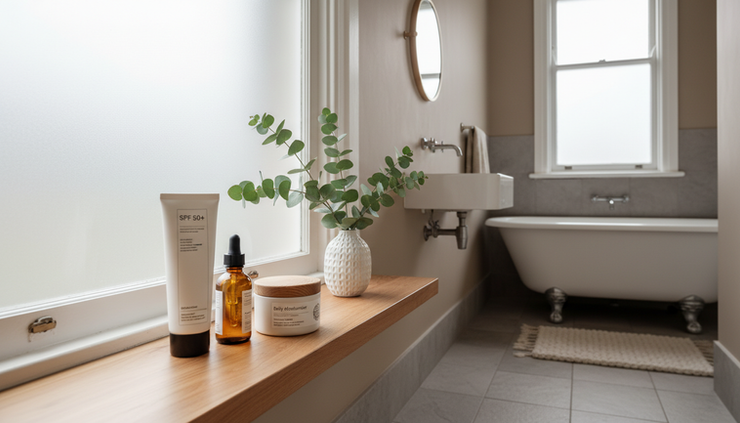
For most skin types, the foundation is clear:
Use sunscreen every day.
Add vitamin C in the morning if tolerated.
Use retinol at night, slowly and consistently.
Keep hydration and barrier repair in the routine.
Adjust for Melbourne’s weather rather than fighting it.
A routine that lasts should feel calm, considered and repeatable. That is where prevention becomes powerful, not through intensity, but through steady care.


Comments