

Hydration Secrets for Youthful Looking Skin
Skin can look tired long before it is truly ageing. A dull tone, fine creases that seem sharper by afternoon, and makeup that clings to dry patches often point to one simple issue: the skin is short on water or struggling to hold onto it.
Hydration will not stop time. It will not erase deeper lines overnight. What it can do is help the skin look smoother, fresher, and more resilient. Well-hydrated skin reflects light more evenly, feels more comfortable, and supports the barrier that protects it from daily stress.
The real secret is not just drinking more water or buying the richest cream. Youthful looking skin depends on a steady mix of internal hydration, topical ingredients, barrier care, and daily habits that reduce water loss.
This article is general information only and is not a substitute for personalised advice from a qualified health or skin professional.
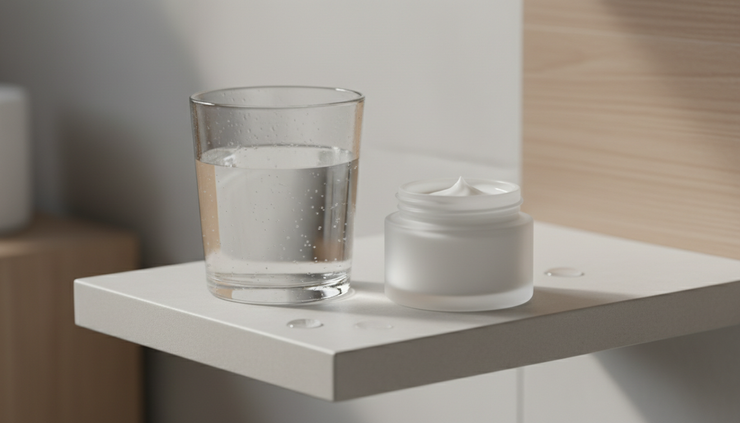
Why hydration changes the way skin looks
The outer layer of the skin, called the stratum corneum, acts a little like a brick wall. Skin cells are the bricks, and natural oils and lipids are the mortar. When this layer is well cared for, it helps keep water in and irritants out.
When the skin loses too much water, it can look:
Dull or flat
Rough in texture
More lined than usual
Tight after cleansing
Flaky around the nose, cheeks, or forehead
Less bouncy to the touch
This loss of water from the skin is often called transepidermal water loss. It happens naturally, but it can increase when the skin barrier is weakened. Harsh cleansers, over-exfoliation, dry indoor air, sun exposure, wind, and very hot showers can all make it worse.
That is why hydration is closely linked with the appearance of youthfulness. Skin that holds water well tends to look plumper. Fine dehydration lines soften. The surface feels smoother. The face often looks more rested, even before any treatment aimed at pigmentation, firmness, or wrinkles begins.
There is also a comfort benefit. Dry, tight skin often triggers people to use more active ingredients in the hope of fixing texture. In many cases, the better first step is to restore moisture balance. Once the barrier is calm, other skincare tends to feel better and work more predictably.
Water intake helps, but it is not the whole story
Drinking enough water supports general health, and the skin is part of that system. If the body is dehydrated, skin may look less fresh, lips may feel dry, and the complexion can appear dull.
Still, water intake alone does not guarantee glowing skin. The body sends water to vital organs first. The outer layer of the skin is exposed to the environment, so it also needs protective care from the outside.
A realistic hydration plan includes both sides.
Start with steady fluid intake. Most people do better with regular water throughout the day than with trying to catch up at night. Herbal tea, water-rich foods, and soups can also contribute. In Australia, hot weather, exercise, air conditioning, and alcohol can increase fluid needs.
Watch the signs of dehydration. Thirst, dark urine, headache, dry mouth, or feeling unusually tired can suggest the body needs more fluids. If symptoms are ongoing or severe, seek medical advice.
Do not overdo it. More water is not always better. Excessive intake can be unsafe. Aim for steady, sensible hydration that suits your body, activity level, climate, and health needs.
Pair water with barrier support. A good moisturiser can help reduce surface water loss. Without that outer support, skin may still feel dry even when fluid intake is fine.
Youthful looking skin is less about one dramatic habit and more about consistency. A glass of water matters. So does using a gentle cleanser, moisturising after washing, and applying sunscreen every morning.

The skincare ingredients that help skin hold water
Topical skincare can improve the look and feel of dehydrated skin by attracting water, sealing it in, and supporting the barrier. The best routine usually uses a mix of three ingredient types: humectants, emollients, and occlusives.
Humectants draw water into the skin
Humectants attract water. They can pull moisture from the environment and from deeper layers of the skin towards the surface.
Common humectants include:
Hyaluronic acid
Glycerin
Panthenol
Aloe vera
Urea in low strengths
Betaine
Hyaluronic acid is popular because it can hold a large amount of water relative to its weight. A hyaluronic acid serum can make dehydrated skin look smoother and more supple, especially when applied to slightly damp skin and followed with moisturiser.
Glycerin deserves attention too. It is less glamorous, but it is one of the most reliable hydrating ingredients in skincare. It appears in cleansers, serums, and moisturisers because it helps improve softness and comfort.
The key is to seal humectants in. If a humectant serum is used on very dry skin without moisturiser, some people find their skin still feels tight. Apply serum first, then moisturiser, and in the morning, sunscreen.
Emollients soften rough skin
Emollients help smooth the spaces between skin cells. They make the skin feel soft and reduce the rough texture that often comes with dryness.
Examples include:
Squalane
Ceramides
Fatty alcohols
Shea butter
Jojoba oil
Sunflower seed oil
Emollients are especially useful when the skin feels rough or looks flaky. They do not just add a pleasant texture. Many help support the lipid layer that keeps the barrier comfortable.
Occlusives reduce water loss
Occlusives form a protective layer that slows water evaporation from the skin. They are useful for dry, compromised, or winter-stressed skin.
Examples include:
Petrolatum
Lanolin
Mineral oil
Dimethicone
Rich balms
Not everyone needs a heavy balm over the whole face. Oily or acne-prone skin may prefer lighter formulas with dimethicone or gel-cream textures. Very dry skin may benefit from a richer cream at night, especially around the cheeks and mouth.
A good hydrating routine does not need many steps. It needs the right balance.
If skin feels tight but not flaky
If skin feels rough or looks dull
If skin cracks, flakes, or stings
If skin is oily but dehydrated
Use a humectant serum under a light moisturiser.
Add emollients such as ceramides, squalane, or shea butter.
Keep actives low, use a richer moisturiser, and focus on barrier repair.
Choose oil-free or gel-cream formulas with glycerin or hyaluronic acid.
When shopping for skincare Australia wide, it helps to focus less on trends and more on your barrier needs. People exploring anti ageing skincare may come across options such as SkinCeuticals Australia products, a hyaluronic acid serum, or treatment guidance from clinics like Pt78 Skin and Body, but the best choice still depends on skin type, sensitivity, budget, and professional advice where needed.
Daily habits that protect skin hydration
Hydration can disappear quickly when everyday habits keep stripping the skin. A few small changes often make a bigger difference than adding another serum.
Cleanse without leaving skin squeaky
Skin should feel clean after washing, not tight or squeaky. That tight feeling often means the cleanser has removed too much oil from the barrier.
Use lukewarm water and a gentle cleanser. If skin is dry or sensitive, consider cleansing only once in the evening and rinsing with water in the morning. People who wear sunscreen or makeup daily may prefer a gentle double cleanse at night, using a balm or oil cleanser first, then a mild second cleanser.
Avoid scrubs with rough particles if the skin is already dry or irritated. Over-exfoliation can make dehydration lines look worse.
Apply products while skin is slightly damp
Moisturiser works well when used after cleansing, while skin is still slightly damp. This helps trap surface water before it evaporates.
A simple order is:
Cleanse gently.
Apply hydrating serum to damp skin.
Follow with moisturiser.
Use sunscreen during the day.
This routine can be adjusted for oilier skin by choosing lighter textures. The principle stays the same: add water, attract water, then seal it in.
Use sunscreen every morning
Sun exposure is one of the main external causes of visible skin ageing. It can affect collagen, trigger pigmentation, and weaken the overall look of the skin over time.
Daily broad-spectrum sunscreen helps protect the results of any hydrating or anti-ageing routine. In Australia, UV levels can be high even when the weather feels mild. Sunscreen is not only for the beach. It belongs in the morning routine, especially when spending time outdoors, near windows, or driving.
Be careful with strong actives
Retinoids, exfoliating acids, and vitamin C can be useful, but they can also irritate the skin if used too often or layered too quickly. Irritated skin often loses water more easily.
Introduce active ingredients slowly. If the skin starts stinging, peeling heavily, or feeling hot and tight, pull back and focus on moisturiser and sunscreen until the barrier feels calm.
The goal is not to make skin tolerate everything. The goal is to build a routine the skin can live with.

How lifestyle choices affect moisture and glow
Skin hydration reflects more than products. Sleep, food, climate, and stress can all affect how skin looks day to day.
Sleep is one of the simplest beauty tools. Poor sleep can make the face look dull, puffy, or drawn. During rest, the body carries out repair processes, and the skin barrier can recover from daily stress. A hydrating night routine supports that recovery, but it cannot fully replace rest.
Diet also plays a role. Water-rich fruit and vegetables, healthy fats, and enough protein all support skin structure and barrier function. Think avocado, olive oil, nuts, seeds, eggs, legumes, fish, yoghurt, leafy greens, berries, and citrus. No single food creates youthful skin, but a steady pattern helps.
Indoor air matters too. Air conditioning and heating can dry the skin. If the face feels tight by afternoon, especially in winter or during long hours indoors, a humidifier may help. So can applying moisturiser before spending hours in dry air.
Alcohol and high-salt meals can make some people look puffier or drier the next day. This does not mean every occasion needs strict rules. It simply helps to notice patterns. If skin looks dull after certain habits, balance them with water, sleep, and a gentle routine.
Stress can also affect the skin. Some people experience flare-ups, sensitivity, or dryness during stressful periods. A stripped-back routine can help at these times. Cleanser, moisturiser, and sunscreen are often enough until the skin settles.
A simple hydration routine for youthful looking skin
A good routine does not need to take 20 minutes. It needs to be consistent, comfortable, and suited to the skin.
Morning routine
Start with a gentle rinse or mild cleanse. Apply a hydrating serum if the skin feels dry or looks dull. Follow with moisturiser, then broad-spectrum sunscreen.
For oily skin, use light layers. A gel serum and oil-free moisturiser may be enough before sunscreen.
For dry skin, choose a creamier moisturiser with ceramides or squalane. If sunscreen feels drying, try a more moisturising formula.
Evening routine
Cleanse to remove sunscreen, makeup, sweat, and pollution. Apply a hydrating serum to slightly damp skin. Follow with moisturiser.
If using retinoids or exfoliating acids, avoid starting too many at once. Alternate nights can work better than daily use, especially for sensitive skin.
On nights when skin feels dry, skip strong actives and use a barrier-focused moisturiser. A small amount of balm can help on very dry areas, such as around the mouth or nose.
Weekly reset
Once or twice a week, check how the skin feels rather than just how it looks.
Ask:
Does my skin sting when I apply moisturiser?
Does it feel tight after cleansing?
Is makeup clinging to dry patches?
Do fine lines look sharper by late afternoon?
Am I using too many active products at once?
These signs can point to dehydration or barrier stress. Adjusting early can prevent a longer cycle of dryness and irritation.
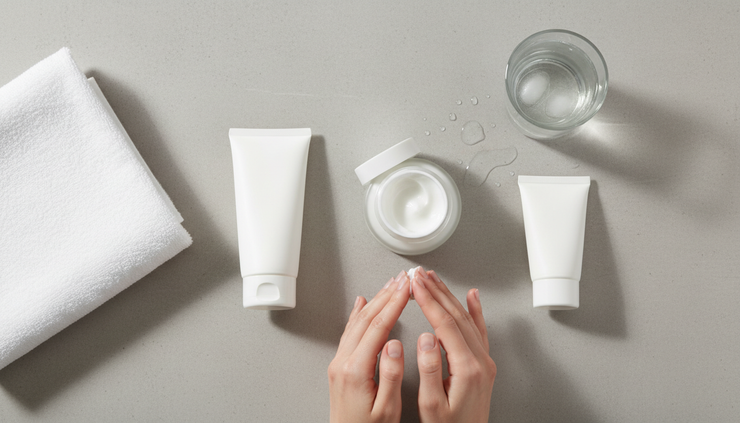
The takeaway for fresher, more resilient skin
Youthful looking skin starts with a barrier that can hold water well. That means hydration from within, gentle cleansing, humectants that attract moisture, emollients that soften, and moisturisers that reduce water loss.
The most effective routine is often the one that feels almost boring: drink water steadily, cleanse kindly, moisturise while the skin is damp, use sunscreen every morning, and give strong actives enough space to work without overwhelming the skin.
Hydration is not a quick trick. It is daily maintenance. When the skin has enough water and the barrier is supported, the face tends to look smoother, brighter, and more at ease. That is the kind of glow that lasts longer than a trend.


Comments