

How Vitamin C Helps Protect Your Skin in Spring and Summer
Spring and summer are when skin often looks brighter, feels oilier, and faces more daily stress. Longer days mean more UV exposure. Heat can make sunscreen feel heavy. Humidity can trigger congestion. Outdoor time brings sweat, salt water, chlorine, wind, and pollution into the mix.
Vitamin C is not a substitute for sunscreen, but it can be a smart support product during the warmer months. Used well, it helps defend skin against environmental stress, supports a more even-looking tone, and fits easily into a morning routine.
This guide explains what vitamin C does, why it makes sense in spring and summer, and how to use it without irritating your skin.

Why spring and summer ask more of your skin
Skin deals with environmental stress all year, but spring and summer tend to bring more of it at once.
In Australia, UV levels can stay high even when the weather feels mild. A bright spring morning can still expose skin to UVA and UVB. By summer, longer outdoor days often mean more incidental exposure from walking, driving, sport, gardening, beach days, and café seats in full sun.
This matters because UV exposure can contribute to:
Fine lines and loss of firmness over time
Uneven tone and dark marks
Redness and sensitivity
Rough texture
A weakened skin barrier
Heat also changes how skincare behaves. Rich creams may feel too heavy. Sweat can move products around. Sunscreen needs more careful reapplication, especially after swimming or exercise.
That is where vitamin C can be useful. It gives the skin extra antioxidant support during the day, when environmental exposure is highest. It also pairs well with sunscreen, which should still be the main form of daily sun protection.
Think of sunscreen as the shield and vitamin C as backup support underneath it. They do different jobs, and together they make more sense than either one alone.
What vitamin C does for the skin
Vitamin C is one of the best-known ingredients in skincare because it has several practical benefits. It is used in many formulas, from brightening serums to anti ageing skincare, because it can support skin clarity, tone, and visible firmness.
The most researched form is L-ascorbic acid, though some products use gentler vitamin C derivatives. The right choice depends on your skin type, tolerance, and the rest of your routine.
It helps defend against free radical damage
Free radicals are unstable molecules created by stressors such as UV exposure, pollution, smoke, and heat. They can affect skin cells and contribute to visible ageing over time.
Vitamin C helps neutralise some of this oxidative stress. That does not mean it blocks UV rays. It means it supports the skin against some of the damage that can happen after exposure.
This is why many people use vitamin C in the morning rather than at night. Daytime is when skin meets most environmental stress.
It supports brighter, more even-looking skin
Vitamin C is often used for dullness and uneven tone. It can help reduce the look of pigmentation by interfering with the process that leads to excess melanin production.
This makes it useful in spring and summer, when sun exposure can make existing dark spots look more obvious. Freckles, post-breakout marks, and melasma-prone areas may appear deeper after time outdoors.
Vitamin C will not erase pigmentation overnight. It works gradually, and it works best when paired with consistent sunscreen. Without sun protection, brightening products often lose the battle.
It supports collagen production
Vitamin C plays a role in collagen formation in the skin. Collagen helps skin look firm and smooth, but UV exposure can contribute to collagen breakdown over time.
A well-formulated vitamin C product may help support the skin’s natural collagen processes, especially when used consistently. The visible result is usually subtle, but over time the skin may look smoother, fresher, and more resilient.
This is one reason vitamin C often appears in antioxidant skincare routines alongside sunscreen, peptides, niacinamide, and retinoids.

Why vitamin C and sunscreen work well together
Sunscreen is still the non-negotiable step for spring and summer. A broad-spectrum SPF helps protect against UVA and UVB rays, which are major contributors to premature skin ageing and pigmentation.
Vitamin C does not replace SPF. It does not form a physical or chemical UV filter. It sits in a different category: antioxidant support.
When used in the morning, vitamin C can help support skin against free radicals triggered by UV exposure and other environmental factors. Sunscreen helps reduce the UV reaching the skin in the first place. Together, they form a more complete daytime approach.
A simple morning routine may look like this:
Cleanse or rinse with water
Apply vitamin C serum
Apply moisturiser if needed
Apply broad-spectrum SPF
Reapply SPF during the day when needed
For most people, vitamin C goes on after cleansing and before moisturiser. Serums usually have a lighter texture, so they sit best under creams and sunscreen.
Let each layer settle for a short time if your products pill. Pilling often happens when too much product is used, layers are applied too quickly, or textures do not sit well together.
A pea-sized amount or a few drops of serum is usually enough. More product does not mean better results. It often just increases the chance of irritation or stickiness.
How to choose a vitamin C serum for warmer months
Not all vitamin C products feel the same. Some are light and watery. Others are richer, creamier, or oil-based. In spring and summer, texture matters because heavy layers can feel uncomfortable under sunscreen.
If you are searching for a vitamin C serum Australia shoppers can use comfortably in warmer weather, pay attention to formula style, packaging, and skin tolerance rather than buying based on strength alone.
Look at the type of vitamin C
L-ascorbic acid is the most studied form. It can be effective, but it may sting or irritate some skin types, especially at higher strengths or lower pH levels.
Vitamin C derivatives are often gentler. These may suit sensitive, dry, or reactive skin better, though they may work more gradually.
Common signs that a formula is too strong include:
Stinging that does not settle
New redness or dryness
Flaking around the nose or mouth
Tightness after application
Breakouts that appear soon after starting
If this happens, reduce how often you use it or switch to a gentler formula.
Choose packaging that protects the formula
Vitamin C can be unstable. Light, heat, and air may cause some formulas to oxidise faster.
Better packaging often includes:
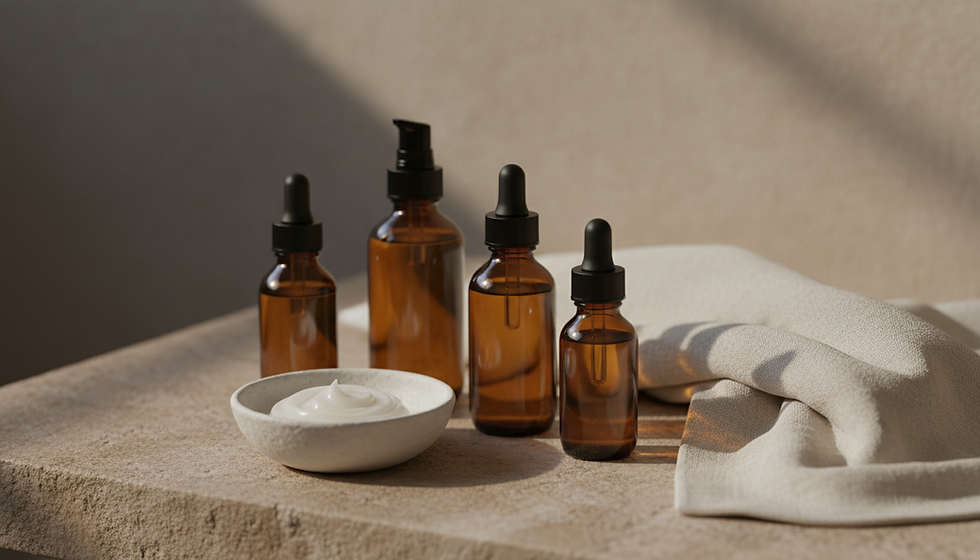
Dark or opaque bottles
Air-restrictive pumps
Firmly closing lids
Clear storage instructions
If a vitamin C serum turns dark orange or brown, smells unusual, or changes texture, it may have oxidised. Some colour variation is normal across formulas, so compare it with how the product looked and smelled when new.
Store vitamin C away from direct sunlight. A cool cupboard is usually better than a steamy bathroom shelf.
Consider supporting ingredients
Some vitamin C products include vitamin E and ferulic acid. This combination is popular because these antioxidants can work well together in certain formulas.
For example, SkinCeuticals C E Ferulic is often discussed in skincare Australia conversations because it sits in the premium antioxidant serum category, while clinics and retailers such as Pt78 Skin and Body may recommend different vitamin C options depending on skin type, budget, and goals.
Other useful supporting ingredients include:
Niacinamide for barrier support and uneven tone
Hyaluronic acid for hydration
Panthenol for comfort
Peptides for firmness support
Liquorice root extract for visible brightness
The best formula is not always the strongest one. It is the one your skin can use consistently.

How to use vitamin C without irritating your skin
Vitamin C can be a great addition, but it still needs a sensible start. This is especially true if your routine already includes active ingredients such as retinoids, exfoliating acids, benzoyl peroxide, or prescription creams.
Start slowly. Use vitamin C every second or third morning for the first couple of weeks. If your skin feels calm, move to daily use.
Patch testing also helps. Apply a small amount to the side of the neck or behind the ear for a few days before using it on the whole face. This will not predict every reaction, but it can flag obvious sensitivity.
Keep the rest of your routine simple
When adding vitamin C, avoid changing five other products at the same time. If irritation appears, you will not know what caused it.
A low-fuss routine is often best:
Morning
Gentle cleanse or rinse
Vitamin C
Light moisturiser if needed
Broad-spectrum SPF
Evening
Gentle cleanse
Moisturiser
Retinoid or exfoliant only if already tolerated
If your skin is sensitive, use vitamin C in the morning and keep exfoliating acids for a different night of the week. Too many active ingredients can weaken the barrier and make skin more reactive in sun and heat.
Apply sunscreen generously
Vitamin C supports the skin, but sunscreen does the heavy lifting for UV protection. Apply enough broad-spectrum SPF to cover the face, ears, neck, and any exposed chest area.
Reapply when outdoors for long periods, after sweating, after swimming, or after towel drying. Makeup and skincare do not remove the need for reapplication.
Hats, sunglasses, shade, and protective clothing also matter. These simple habits often make the biggest difference, especially during peak UV times.
Be careful after procedures
If you have recently had a peel, laser treatment, microneedling, waxing, or any treatment that leaves the skin sensitive, pause active skincare until your clinician says it is safe to restart.
Vitamin C may sting on compromised skin. Barrier repair should come first.
This article is general information only and does not replace advice from a qualified health or skin professional.
Common spring and summer skin concerns vitamin C may help with
Vitamin C earns its place in warm-weather skincare because it speaks to several seasonal concerns at once.
Dullness after winter
Skin can look flat coming out of winter, especially if it has been dry or covered in heavier products. Vitamin C can help restore a fresher look by supporting brightness and more even tone.
Pair it with gentle exfoliation if your skin tolerates it, but avoid harsh scrubs. Brightness comes from consistency, not aggressive treatment.
Pigmentation that gets darker in the sun
Dark spots often become more visible in spring and summer. Vitamin C can help reduce the look of uneven pigmentation, but SPF is essential. Without sunscreen, pigmentation may keep returning or deepening.
People prone to melasma need extra care. Heat and visible light can also play a role for some. A tinted sunscreen with iron oxides may be useful, especially for deeper skin tones or melasma-prone skin.
Fine lines caused by sun exposure
Fine lines can look more obvious when skin is dehydrated, sun-exposed, or stressed. Vitamin C supports collagen processes and antioxidant defence, while hydrating ingredients help plump the surface.
A good summer routine does not need to be heavy. A light serum, a comfortable moisturiser, and a sunscreen you enjoy wearing will take you further than a crowded shelf of products you avoid using.
Redness and stressed skin
Some people find their skin flushes more in the heat. Vitamin C can support skin health, but strong formulas may worsen redness in sensitive skin.
If redness is a concern, choose a gentler derivative or use vitamin C less often. Look for calming ingredients and avoid layering it with strong exfoliants.

The best way to make vitamin C work harder
Vitamin C works best when the whole routine supports it. That means choosing a stable formula, using it regularly, protecting it from heat and light, and pairing it with sunscreen every morning.
The biggest mistake is expecting vitamin C to fix skin while sun protection stays inconsistent. Brightening and anti-ageing results need prevention as much as correction.
A good spring and summer routine can stay simple:
Use vitamin C in the morning
Follow with a sunscreen you like wearing
Reapply SPF during outdoor days
Keep exfoliation gentle
Store your serum away from heat and sun
Give the product time to work
Skin does not need a completely new routine every season. It needs smart adjustments. In warmer months, vitamin C is one of those adjustments that can make daily protection feel more complete.
Used with sunscreen, shade, and steady habits, it helps skin stay brighter, calmer, and better supported through spring and summer.


Comments