

How to Prepare Your Skin for Longer Days and Higher UV Levels
The first warm days can feel harmless. The air is softer, the afternoons stretch out, and sunscreen suddenly feels less urgent than it does in peak summer. Yet this is exactly when many people get caught out.
As daylight hours increase, skin often gets more incidental UV exposure without a big change in routine. A morning walk, lunch outside, school pick-up, driving, gardening, sport, brunch by a window, it all adds up. In Australia, where UV can be high even outside midsummer, preparing early makes a real difference.
Good spring sun skincare is not about adding ten new products. It is about checking the basics, using them well, and supporting the skin barrier so it can handle more heat, sweat, light, and time outdoors.
This guide covers how to adjust your routine before the UV feels intense, with practical steps for protection, hydration, antioxidants, exfoliation, and after-sun care. This is general skin information only, not medical advice. If you have a skin condition, a history of skin cancer, or are using prescription actives, speak with a qualified health professional.
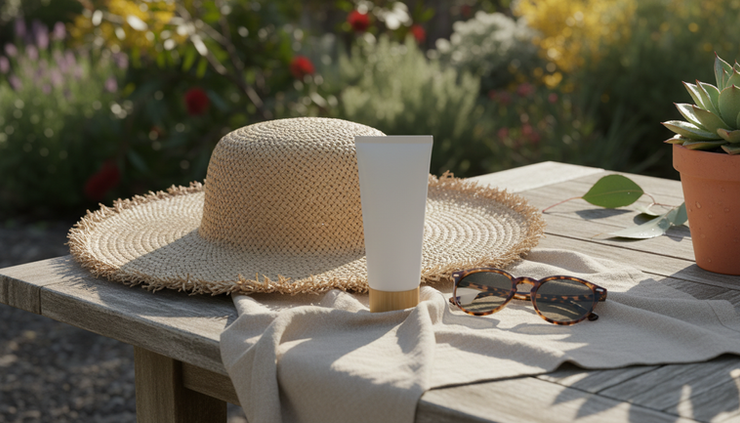
Start with sunscreen before the weather feels hot
UV is not the same as heat. A cool, bright day can still expose skin to levels of ultraviolet radiation that contribute to sunburn, pigmentation, premature ageing, and skin cancer risk. That is why sunscreen belongs in the routine before summer arrives.
For daily use in Australia, choose a broad-spectrum SPF 30 or higher. Broad-spectrum means it helps protect against both UVA and UVB. UVB is more linked with sunburn, while UVA is strongly linked with ageing changes and can pass through glass more easily.
The best sunscreen is the one you will use generously and often. Texture matters. If a formula feels greasy, stings the eyes, pills under makeup, or leaves a cast you dislike, it will probably sit unused in a drawer.
Look for a sunscreen that suits the way the day actually runs:
Lightweight lotion for everyday face and neck use
Water-resistant sunscreen for sport, swimming, or heavy sweating
Mineral sunscreen if chemical filters tend to sting or irritate
Tinted sunscreen if visible light tends to worsen pigmentation
Fragrance-free options for sensitive or reactive skin
Apply it as the last step in the morning skincare routine, before makeup if wearing it. Use enough to cover the face, ears, neck, chest, and any exposed areas. Most people apply too little, which lowers the level of protection.
Reapplication matters as much as the first application. Sunscreen wears off with sweat, touch, water, and time. If outdoors, reapply every two hours, and after swimming, sweating, or towel drying. If mostly indoors, reapply before a walk, drive, outdoor lunch, or afternoon errands.
A useful habit is to keep sunscreen in more than one place. One at home, one in a bag, one near sports gear, and one by the door can remove friction. Just avoid leaving sunscreen in a hot car for long periods, as heat may affect the product.
Build protection beyond the bottle
Sunscreen is essential, but it should not carry the whole job. Clothing, shade, sunglasses, and timing can lower exposure without asking the skin to do extra work.
This is especially useful in spring, when people often spend longer outside without realising it. The body has not yet adjusted to heat, routines are looser, and social plans often move outdoors.
Try a layered approach.
Check the UV Index
In Australia, sun protection is recommended when the UV Index is 3 or above. The UV Index can be high even when the temperature feels mild, so it is a better guide than the weather forecast. Many weather apps include it.
Use shade with intent
Shade helps, but it does not block all UV. Reflected light from concrete, sand, water, and pale surfaces can still reach the skin. Use shade as part of the plan, not the whole plan.
Wear physical protection
A broad-brimmed hat protects more than a cap because it shades the ears, sides of the face, and neck. UPF-rated clothing can be very helpful for long walks, sport, or beach days. Sunglasses that meet Australian standards help protect the delicate eye area.
Think about windows
UVA can pass through ordinary glass. If you spend long periods near windows or drive often, daily facial sunscreen is still useful, even when the day is mostly indoors.

Strengthen the morning routine with antioxidants and hydration
As UV exposure rises, the morning routine should focus on protection and support. Sunscreen does the heavy lifting, but antioxidants and hydration can help the skin feel more resilient.
UV exposure can trigger oxidative stress in the skin. Antioxidants, such as vitamin C, are often used in morning routines because they help support the skin against environmental stress. They do not replace sunscreen, and they do not make the skin immune to sun exposure. Think of them as support, not armour.
A simple morning routine might look like this:
Cleanse lightly or rinse with water
Apply an antioxidant serum if the skin tolerates it
Use a moisturiser if needed
Finish with broad-spectrum sunscreen
A vitamin C serum can be a good option for dullness, uneven tone, and antioxidant support, but formulation matters. Some vitamin C products feel strong, especially on sensitive skin. If tingling turns into stinging, burning, or ongoing redness, stop and reassess.
Those comparing UV skincare Australia options often look at professional ranges, pharmacy brands, and clinic-stocked products such as SkinCeuticals Australia, as well as local skin clinics including Pt78 Skin and Body, but the right choice should come down to skin type, tolerance, budget, and consistency rather than brand alone.
Hydration also deserves attention as the weather changes. Longer days often mean more sweat, more air conditioning, more outdoor time, and more cleansing after sunscreen. Skin may feel oily on the surface but tight underneath.
For many people, a lighter moisturiser works better than a heavy cream in warmer weather. Look for ingredients that support water balance and barrier comfort, such as:
Glycerin
Hyaluronic acid
Panthenol
Ceramides
Squalane
Niacinamide
If the skin is oily or acne-prone, skipping moisturiser can still backfire. Dehydrated skin may feel more irritated and can be harder to manage under sunscreen. A light gel-cream or lotion can help keep the barrier calm without feeling heavy.
Go carefully with exfoliation and strong actives
Spring often inspires people to “freshen up” the skin. That can lead to an overload of exfoliating acids, scrubs, retinoids, brightening products, peels, and masks at the exact time UV exposure is increasing.
This is where many routines become too aggressive.
Exfoliation can make skin smoother and brighter, but overdoing it can weaken the barrier. A stressed barrier may sting when sunscreen is applied, flush easily, feel rough or tight, and become more vulnerable to irritation. That can make sun protection harder because products become uncomfortable.
If using exfoliating acids such as glycolic, lactic, mandelic, or salicylic acid, keep them modest. One to three times a week is enough for many skin types. Sensitive skin may need less.
Retinoids also need care. They can support texture, fine lines, and congestion, but they may cause dryness or irritation, especially when first introduced. Retinoids are usually used at night, and daily sunscreen becomes even more important while using them.
A skin-friendly way to adjust actives for longer days:
Keep exfoliation to night-time
Avoid layering multiple strong actives in one routine
Do not exfoliate immediately before a big outdoor day
Pause actives if the skin feels raw, hot, or irritated
Focus on moisturiser and sunscreen when the barrier is unsettled
Scrubs need extra caution. Harsh physical exfoliants can cause micro-irritation, especially if used with pressure. If the goal is glow, a gentle chemical exfoliant used occasionally is often a better option than rubbing the skin.
Adjust for sweat, exercise, and outdoor plans
Longer days usually mean more movement. Walks get longer, outdoor training starts earlier, weekends fill with sport, and beach plans creep back in. Skin routines need to account for sweat and repeated sunscreen use.
Sweat itself is not “dirty”, but when it mixes with sunscreen, makeup, dust, and friction, it can contribute to congestion or irritation. The solution is not harsh cleansing. It is better timing and gentle removal.
Before exercise, use a sunscreen that suits sweat and movement. Water-resistant sunscreen is helpful, but it still needs reapplication. Avoid heavy layers if they tend to run into the eyes or block pores.
After sweating, cleanse gently. If the face feels grimy, use a mild cleanser rather than scrubbing. If the skin feels dry or tight after cleansing, follow with a light moisturiser.
For outdoor sport or a long day outside, pack a small skin kit:
Sunscreen for face and body
Lip balm with SPF
Sunglasses
Hat
Clean towel
Gentle face mist or water for cooling, if helpful
Light moisturiser for later
Lips, ears, scalp part lines, hands, and the back of the neck are easy to miss. These areas often catch more sun than expected. Apply sunscreen there before leaving, then reapply during the day.
If shaving, waxing, using depilatory creams, or having facial treatments, plan around sun exposure. Freshly treated skin may be more reactive. Give the skin time to settle, protect it carefully, and follow professional aftercare if you have had a treatment.
Repair the routine at night
A good evening routine helps remove the day and restore comfort. It does not need to be complicated.
If wearing sunscreen, especially water-resistant sunscreen or makeup, cleanse thoroughly but gently. Some people prefer a first cleanse with an oil cleanser, balm, or micellar water, followed by a mild cleanser. Others do well with one effective gentle cleanser. The right choice depends on how much product is on the skin and how the skin feels afterwards.
After cleansing, check in with the skin before applying actives.
If skin feels calm, use normal night products. If it feels warm, tight, prickly, or flushed, skip strong actives and focus on barrier care. Moisturising ingredients such as ceramides, glycerin, panthenol, and squalane can be useful.
After a high UV day, keep the routine simple:
Cleanse gently
Apply a calming serum or moisturiser
Avoid exfoliating acids and retinoids for the night if skin feels irritated
Drink water and cool down if overheated
Sunburn needs care. Cool compresses, moisturiser, fluids, and avoiding further sun can help with mild discomfort. Blistering, severe pain, fever, dizziness, or sunburn over a large area needs medical advice.
Peeling skin should not be scrubbed away. Let it shed naturally and keep the area moisturised. Exfoliating sun-damaged skin may make irritation worse.
Make the change before summer arrives
The easiest way to prepare skin for longer days is to start before the weather feels extreme. Waiting until the first sunburn, pigmentation flare, or irritated skin week makes the routine harder to fix.
A strong seasonal reset can be simple:
Replace expired sunscreen
Choose a texture you enjoy using
Apply sunscreen every morning to exposed skin
Reapply before outdoor time
Add antioxidant support if tolerated
Keep hydration steady
Reduce aggressive exfoliation
Use hats, sunglasses, clothing, and shade
Cleanse gently at night
Watch the UV Index, not just the temperature
Skin does not need a brand-new personality for spring. It needs a routine that respects more light, more heat, and more time outside.
Start with sunscreen, keep the barrier comfortable, and make protection easy to repeat. That is the routine that will carry skin through longer days now and into the height of summer.


Comments