

Daily Skin Health Starts With Small Choices, Not Occasional Treatments
Many people treat skin care like a rescue mission. A breakout appears, dryness flares, pigmentation looks stronger, or fine lines seem more visible, then comes the scramble for a stronger product or a once-off facial.
That pattern is easy to understand. Skin changes are visible, and visible changes can feel urgent. But skin is not built in a single appointment or transformed by one product overnight. It responds to what happens repeatedly: cleansing, sun protection, sleep, stress, hydration, diet, barrier care, and the way products are used day after day.
A treatment can help. A good serum can support real improvement. A professional appointment can be valuable. But the foundation of skin health is usually quieter than that. It sits in the small choices that happen every morning, every night, and every time the skin is exposed to sun, wind, air conditioning, sweat, or irritation.
This article is general information only and is not a substitute for advice from a qualified health or skin professional, especially for acne, eczema, rosacea, dermatitis, pigmentation concerns, or changing lesions.

Skin health is cumulative
Skin is active tissue. It protects the body, helps regulate moisture, responds to irritation, and constantly renews itself. Because it works all the time, it is influenced by repeated inputs more than occasional interventions.
Think of skin care like brushing teeth. A professional clean matters, but it does not replace daily brushing. In the same way, a facial or intensive treatment can support skin, but it cannot fully offset weeks of skipped sunscreen, harsh cleansing, poor sleep, or picking at blemishes.
The most noticeable skin concerns often build slowly:
Dryness can come from repeated barrier disruption.
Pigmentation can deepen through regular UV exposure.
Breakouts can worsen with inconsistent cleansing or irritating products.
Sensitivity can rise when too many actives are used at once.
Dullness can reflect dehydration, lack of sleep, or a build-up of dead surface cells.
This does not mean every skin concern is caused by habits. Genetics, hormones, medication, health conditions, climate, and age all play roles. But daily care can make the skin better supported while those factors are managed.
A healthy skin routine does not need to be complicated. In many cases, the best routine is the one that protects the skin barrier, reduces unnecessary irritation, and can be followed consistently.
The key is to stop thinking of skin care as a reaction to problems and start treating it as maintenance.
The skin barrier needs steady support
The skin barrier is the outer layer that helps keep moisture in and irritants out. When it is working well, skin often feels more comfortable, looks calmer, and handles products better. When it is disrupted, skin may feel tight, sting easily, flake, turn red, or break out more often.
Barrier damage can happen gradually. It might come from cleansing too often, using hot water, over-exfoliating, layering too many active ingredients, or skipping moisturiser because the skin feels oily.
Oily skin still needs barrier support. In fact, stripping oily skin can make it feel more unbalanced. The goal is not to remove every trace of oil. The goal is to cleanse without leaving the face squeaky, tight, or irritated.
A barrier-friendly routine usually includes three basics.
Gentle cleansing
A cleanser should remove sunscreen, sweat, make-up, and daily grime without making skin feel raw. For many people, cleansing once at night and rinsing with water in the morning is enough. Others prefer a light morning cleanse, especially in humid weather or after exercise.
Moisturising
Moisturiser helps reduce water loss and supports comfort. The right texture depends on skin type and climate. In much of Australia, skin can shift between humid summers, dry indoor air, strong sun, and cooler winters, so one texture may not suit all year.
Sun protection
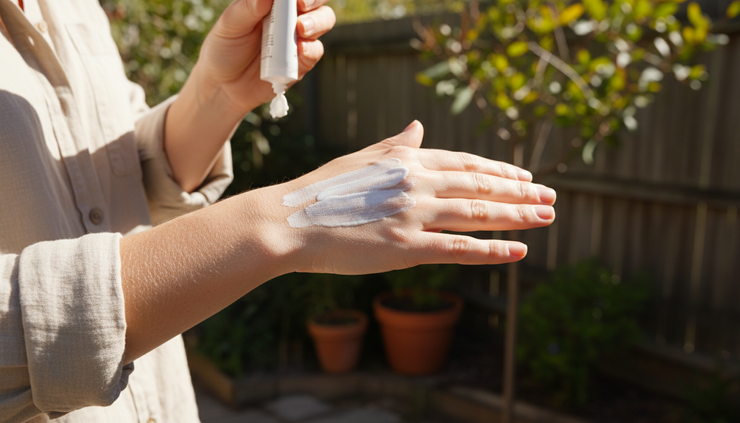
Daily sunscreen is one of the most important skin health habits. UV exposure contributes to sunburn, pigmentation, premature ageing, and skin cancer risk. In Australia, where UV levels can be high even on mild days, sunscreen is not just a beauty step. It is a health measure.
Choose a broad-spectrum sunscreen and apply it generously. Reapply when outdoors, sweating, swimming, or after towel drying. Hats, shade, sunglasses, and protective clothing also matter.
Occasional treatments work better on consistent skin
Professional skin treatments can be useful. Peels, LED, needling, laser, facials, and other services may improve texture, congestion, pigmentation, or overall appearance when chosen well. Results depend on the person, the concern, the treatment type, and aftercare.
But treatments usually work better when the skin is prepared and supported.
If the skin barrier is irritated before a treatment, it may be more reactive. If sunscreen is skipped afterwards, pigmentation can worsen, especially after treatments that make skin more sun-sensitive. If active products are restarted too quickly, the skin may sting, peel, or flare.
Daily care creates the conditions for treatments to be safer, more comfortable, and more effective. That means:
Using sunscreen before and after treatment periods.
Avoiding harsh scrubs or strong actives unless advised.
Keeping the skin moisturised and calm.
Following aftercare instructions closely.
Being honest about medications, recent sun exposure, and product use.
The same applies to high-performance home products. Vitamin C, retinoids, exfoliating acids, niacinamide, peptides, and other ingredients can be helpful when they suit the skin. But more is not always better. Stronger is not always smarter.
For people comparing skincare Australia wide, whether they are looking at SkinCeuticals Australia products, anti ageing skincare options, daily skincare habits, or guidance from clinics such as Pt78 Skin and Body, the same principle holds: the product or treatment matters, but consistency and suitability matter more.
A simple product used correctly will usually do more for the skin than an impressive product used randomly, layered poorly, or abandoned after a week.
Small choices outside the bathroom count too
Skin care is not only what goes on the face. The skin reflects a wider set of daily conditions. That does not mean a person can sleep away acne or drink water to erase pigmentation. Skin is more complex than that. But lifestyle habits can either support or strain the skin.
Sleep helps the skin recover
Poor sleep can affect how the skin looks and feels. Skin may appear duller, puffier, or more reactive after several rough nights. During sleep, the body carries out repair processes, and the skin gets a break from sun, pollution, make-up, and constant touching.
A regular wind-down routine can help. So can changing pillowcases often, removing make-up before bed, and keeping evening skin care simple enough that it actually gets done.
Stress can show up on the skin
Stress does not cause every skin condition, but it can make some concerns harder to manage. People often touch their face more when stressed, pick at blemishes, sleep less, eat differently, or skip basic care.
The skin also responds to internal stress signals. This is one reason conditions such as eczema, psoriasis, rosacea, and acne may flare during difficult periods for some people.
Stress management does not need to look perfect. A walk, breathing exercise, earlier night, fewer late coffees, or ten minutes away from a screen can all help reduce strain.
Food and hydration play supporting roles
There is no single “best skin diet” for everyone. Skin needs enough nutrients, and the body as a whole benefits from varied, regular meals. Protein, healthy fats, fruit, vegetables, wholegrains, and enough water all support general health, which includes skin.
Some people notice links between certain foods and breakouts or flushing. Others do not. If a pattern seems clear, it may be worth discussing with a GP, dermatologist, or accredited practising dietitian rather than cutting out large food groups without guidance.
Hydration helps, but it is not magic. Drinking water supports normal body function, yet dry skin often needs topical moisturising as well. If the barrier is compromised, water alone will not fix the issue.

Consistency beats intensity
One of the most common skin care mistakes is doing too much when the skin is already stressed. A breakout appears, so three acne products are added. Skin looks dull, so exfoliation happens every night. Fine lines appear, so retinol, acids, vitamin C, and devices all enter the routine at once.
This can backfire. Irritated skin can look older, redder, rougher, and more uneven. A damaged barrier can make breakouts harder to calm. When products sting, people often stop everything, then begin the cycle again.
Consistency is quieter, but it is powerful.
A steady routine gives the skin a chance to respond. It also makes it easier to see what works. If five new products begin in the same week, no one can tell which one helped or which one irritated. If one product is introduced slowly, the skin’s response is easier to read.
A practical daily rhythm might look like this.
Morning | Night |
Rinse or cleanse gently | Cleanse thoroughly but gently |
Use a targeted serum if needed | Use treatment products as tolerated |
Moisturise if skin needs it | Moisturise to support the barrier |
Apply broad-spectrum sunscreen | Let skin recover while sleeping |
This is not a rule for every person. Some need prescription treatment. Some need a dermatologist. Some need fewer steps. Some need more targeted care. The point is that a routine should be clear enough to follow and gentle enough to keep the skin stable.
Introduce active ingredients slowly
Active ingredients can be useful, but they should earn their place. Retinoids, exfoliating acids, and strong vitamin C products can irritate some skin types, especially when layered together.
A cautious approach works well:
Add one new product at a time.
Use it a few times a week at first.
Watch for stinging, peeling, redness, or persistent tightness.
Avoid starting strong actives right before a major event.
Use sunscreen daily, especially with ingredients that increase sun sensitivity.
If the skin is already inflamed, sore, or peeling, pause and focus on barrier care. More treatment is not always the answer.
Know when skin needs professional care
Daily choices matter, but they do not replace medical care. Some concerns need proper diagnosis and treatment.
Seek professional advice if there is:
Acne that is painful, cystic, scarring, or affecting wellbeing.
A rash that persists, spreads, burns, or cracks.
Sudden changes in pigmentation.
A mole or spot that changes in shape, colour, size, or sensation.
Ongoing redness, flushing, or sensitivity.
Skin symptoms linked with medication or illness.
A reaction after using a product or treatment.
Australia has a high rate of skin cancer compared with many other countries, so regular skin checks are a sensible habit, especially for people with a history of sunburn, fair skin, outdoor work, or family history. Any changing or concerning spot should be checked by a qualified health professional.
Good daily care and professional support are not competing ideas. They work together. The daily routine protects and maintains. Professional care helps assess, guide, and treat when needed.

The best skin care is the care that happens repeatedly
Healthy skin is rarely the result of one dramatic reset. It is built through the choices that seem almost too small to matter: washing gently, applying sunscreen, moisturising before the skin feels tight, sleeping enough when possible, not picking, introducing products slowly, and seeking help when something is not right.
Treatments can still have a place. So can advanced products. But they should sit on top of a stable foundation, not replace it.
The goal is not perfect skin. Skin has pores, texture, lines, oil, dryness, marks, and seasonal changes. The better goal is skin that is supported, protected, and understood.
Start with the basics. Keep them steady. Let the small choices do their work.



Comments