

Can You Simplify Your Skincare Routine Without Losing Results
A crowded bathroom shelf can make skincare feel more scientific than it needs to be. Cleanser, toner, essence, serum, eye cream, moisturiser, oil, mask, exfoliant, spot treatment, sunscreen, then a second version for night. It adds up quickly.
The good news is that more steps do not always mean better skin. A routine works when it is consistent, suited to your skin, and built around ingredients that have a clear job. In many cases, cutting back can make the skin calmer and make results easier to track.
That does not mean stripping everything away. It means knowing what to keep, what to pause, and what is only there because it looked promising on the shelf.
This article is general information only and does not replace advice from a GP, dermatologist, pharmacist, or qualified skin professional, especially if skin is painful, inflamed, infected, or changing quickly.

Why simpler skincare can still work
Skin does not need an elaborate routine to function well. Its barrier already works hard to keep water in and irritants out. A good routine supports that barrier rather than overwhelming it.
A longer routine can still be useful for some people, especially when treating specific concerns. The problem begins when too many active ingredients overlap. Retinoids, exfoliating acids, vitamin C, benzoyl peroxide, peels, and strong masks can all have a place, but layering several at once can leave skin dry, tight, flaky, or reactive.
A simpler routine can help in three ways.
It improves consistency. Most results come from repeated use over weeks and months. A routine that takes five minutes is easier to follow than one that feels like a nightly chore.
It reduces irritation. Fewer products mean fewer fragrances, preservatives, actives, and texture enhancers touching the skin.
It makes results clearer. When skin improves or reacts, it is easier to tell which product helped or caused the issue.
This is the basic idea behind minimalist skincare. It is not about doing the least possible forever. It is about using enough to support the skin, then adding targeted products only when they earn their place.
A useful starting point is to think of skincare in three layers:
Core care
Targeted treatment
Occasional support
Cleanse, moisturise, protect with sunscreen.
Add one active for a clear concern, such as uneven tone, breakouts, dryness, or fine lines.
Use masks, exfoliants, or richer products only when needed, not automatically.
For many people, the core layer does most of the heavy lifting. The treatment layer is where results become more specific. The occasional layer should be optional.
The products that deserve a place
A routine can be minimal without being basic. The best version includes the essentials and leaves out the noise.
Cleanser
A cleanser should remove sunscreen, makeup, excess oil, and daily grime without leaving skin squeaky or tight. That tight feeling often means the cleanser is too stripping or the water is too hot.
For dry or sensitive skin, a cream, milk, or gentle gel cleanser often works well. For oily or breakout-prone skin, a low-foam gel can feel fresher without being harsh.
Morning cleansing is optional for some people. If skin feels comfortable on waking, a rinse with lukewarm water may be enough. At night, cleansing matters more because sunscreen and the day’s buildup need to come off.
Moisturiser
Moisturiser is not just for dry skin. It helps support the barrier, reduces water loss, and can make active ingredients easier to tolerate.
Look for ingredients such as:
Glycerin
Ceramides
Hyaluronic acid
Panthenol
Squalane
Niacinamide, if your skin tolerates it well
Texture matters. A light lotion may suit humid weather, oily skin, or daytime use. A richer cream may suit dry skin, air conditioning, winter, or retinoid use.
The goal is comfort. Skin should feel settled after moisturiser, not coated, itchy, or greasy for hours.
Sunscreen
If results matter, sunscreen belongs in the routine. Many common skin goals, including fading uneven tone, softening the look of fine lines, and protecting post-breakout marks, become harder without daily sun protection.
In Australia, broad-spectrum SPF 30 or higher is a sensible daily minimum. SPF 50 or 50+ is common and useful, especially when outdoors, near water, exercising, or spending extended time in strong UV.
Apply enough to cover the face, ears, neck, and any exposed chest. Reapply when outdoors for long periods, after sweating, swimming, or towel drying. Makeup with SPF is usually not enough on its own because most people do not apply it thickly enough to reach the labelled protection.
Sunscreen is also the point where many routines fail. If the texture is unpleasant, it will not be used regularly. The best sunscreen is one that feels good enough to wear every day.

How to simplify without shocking your skin
Cutting back works best when it is planned. Removing everything at once can make skin feel unsettled, especially if it has been relying on rich creams, acne products, or frequent exfoliation.
Start with a two-week reset. Keep the routine plain and watch how the skin responds.
Morning:
Cleanse or rinse.
Apply moisturiser if needed.
Apply sunscreen.
Evening:
Cleanse.
Apply moisturiser.
This reset is not a punishment for the skin. It is a baseline. If redness, stinging, flaking, or breakouts calm down, the previous routine may have been too much.
After two weeks, decide what concern still needs attention. Choose one product to treat that concern.
For example:
Uneven tone or dullness Try vitamin C, niacinamide, azelaic acid, or a gentle exfoliant, depending on tolerance.
Fine lines or skin texture Try a retinoid at night, slowly and consistently.
Breakouts Try salicylic acid, benzoyl peroxide, azelaic acid, or a prescribed option if acne is persistent.
Dryness or barrier damage Focus on barrier-supporting moisturiser before adding strong actives.
Add one product at a time and use it for several weeks before judging the result. Many active ingredients need time. Switching too often makes it harder to know what is working.
A simple skincare routine might look like this:
Morning | Evening |
Gentle cleanse or rinse | Gentle cleanse |
Vitamin C or niacinamide, if tolerated | Retinoid or treatment product, if suited |
Moisturiser if needed | Moisturiser |
Broad-spectrum sunscreen | Barrier cream on dry areas if needed |
This is enough for many people. It covers cleansing, hydration, protection, and one treatment focus. If the skin is comfortable and the concern is improving, there is no need to keep adding.
Give each product a job
Before keeping any product, ask one question: what does this do?
A product deserves space if it has a clear purpose and your skin responds well to it. A product may be optional if it only makes the routine feel more complete.
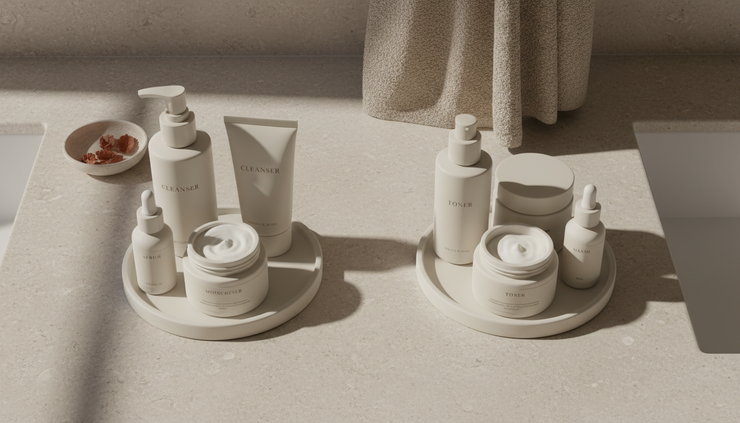
Toners are a good example. Some modern toners add hydration or gentle exfoliation. Others are unnecessary if cleanser and moisturiser already leave skin comfortable. Eye creams can be helpful for texture or sensitivity around the eyes, but many people can use their facial moisturiser carefully around the orbital bone. Facial oils can soften dryness, but they do not replace water-binding hydration for everyone.
The same applies to luxury products. A beautiful texture can make skincare enjoyable, and enjoyment helps with consistency. Still, price and results are not the same thing. Ingredient choice, tolerance, and regular use matter more than having a crowded shelf.
What not to remove if results matter
Simplifying does not mean removing the products that protect progress. Some steps are worth keeping because they support almost every skin goal.
Do not remove sunscreen
Sunscreen is often the most result-protective product in the routine. Without it, pigmentation can darken, redness can linger, and collagen-supporting treatments become less useful. Some actives also make skin more sun-sensitive, especially retinoids and exfoliating acids.
If sunscreen keeps causing breakouts, eye sting, or pilling, change the formula rather than abandoning the step. Try a different texture, finish, or filter type. Gel creams, fluids, mineral formulas, or fragrance-free options can feel very different on the skin.
Do not remove moisturiser when using actives
People with oily skin sometimes skip moisturiser, especially when breakouts are present. That can backfire if acne treatments dry the skin and weaken the barrier. A light, non-comedogenic moisturiser can help the skin tolerate treatment and reduce irritation.
If a moisturiser feels too heavy, choose a lighter one. If it stings, the formula may not suit your barrier at that time.
Do not remove prescribed treatment without advice
If a doctor or dermatologist has prescribed a cream, gel, or tablet for acne, rosacea, dermatitis, pigmentation, or another skin condition, check before stopping. Some conditions flare when treatment stops suddenly.
A simplified routine can work alongside prescribed care. In fact, doctors often prefer patients to keep non-essential products low when using prescription treatments, because it reduces irritation and helps the treatment do its job.
Do not chase fast results with more exfoliation
Exfoliation can make skin look smoother, but too much can cause redness, burning, bumps, flaking, and a shiny tight look. Scrubs, peels, acid toners, exfoliating cleansers, and masks can overlap without seeming obvious.
If exfoliation is part of the routine, keep it modest. Once or twice a week may be enough for many skin types, and some sensitive skin does better with none.
How to build a minimal routine for your main skin concern
A good routine starts with the concern, not the product category. Once the concern is clear, the choices become simpler.
If the goal is anti ageing support
The strongest everyday foundation is sunscreen, moisturiser, and a well-tolerated retinoid if suitable. Retinoids can help with the look of uneven texture and fine lines over time, but they need a slow start.
Begin one or two nights a week. Use a pea-sized amount for the face, avoiding the eye corners, nostrils, and lips. Apply moisturiser before or after to reduce irritation. If skin becomes sore or very flaky, pause and repair the barrier before trying again.
People who are pregnant, trying to conceive, or breastfeeding should ask a healthcare professional before using retinoids, including over-the-counter forms.
This is also where product quality and advice can matter. In the world of skincare Australia, phrases like anti ageing skincare, SkinCeuticals Australia, and Pt78 Skin and Body often come up when people are comparing active formulas and professional guidance, but the best choice still comes back to skin type, budget, tolerance, and daily use.
If the goal is clearer skin
Keep the base gentle. Harsh scrubbing and drying cleansers can make breakouts feel worse. Choose one acne-focused active and give it time.
Salicylic acid can help with clogged pores. Benzoyl peroxide can help reduce acne-causing bacteria, though it may bleach fabrics and irritate sensitive skin. Azelaic acid can suit some people with breakouts and redness. Persistent, painful, scarring, or widespread acne deserves medical advice.
If the goal is glow and even tone
Dullness often improves when the skin barrier is calm and sunscreen is consistent. Add one brightening active only after the basics are steady.
Vitamin C can suit morning use under sunscreen, though some formulas sting sensitive skin. Niacinamide can help support the barrier and even-looking tone. Gentle exfoliation can help texture, but it should not become daily if the skin starts to feel raw.
If the goal is calming sensitivity
For sensitive or reactive skin, minimal really can be better. Skip fragrance, strong acids, scrubs, and too many botanical extracts. Keep cleanser mild, moisturiser barrier-focused, and sunscreen comfortable.
Add new products slowly, and patch test if reactions are common. If burning, swelling, cracking, or ongoing facial redness appears, get professional help rather than trying to fix it with more products.
The takeaway on simplifying skincare
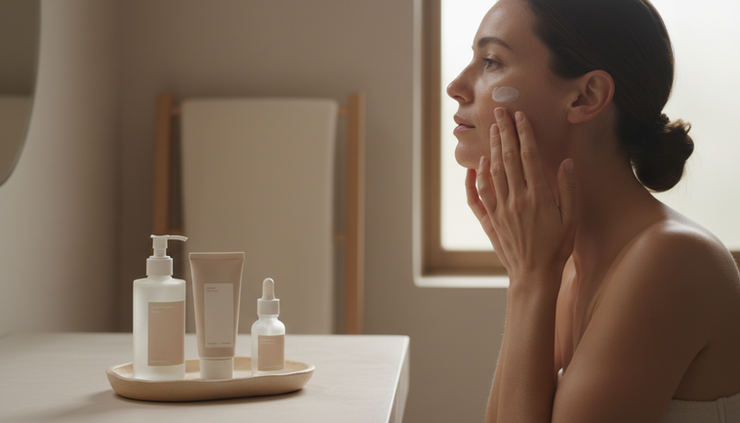
Yes, you can simplify your skincare routine without losing results. In many cases, you may get better results because the skin is less irritated and the routine becomes easier to repeat.
Keep the essentials: gentle cleansing, moisturiser, and daily broad-spectrum sunscreen. Add one targeted active when there is a clear reason. Pause products that duplicate steps, cause irritation, or only make the shelf look complete.
The best routine is not the longest one. It is the one your skin tolerates, your schedule can handle, and you can keep doing long enough to see change.


Comments