

The Importance of Antioxidants Beyond the Summer Months
- mike05055
- 10 hours ago
- 3 min read
Summer often brings to mind fresh fruits, vibrant vegetables, and plenty of sunshine. Many people focus on antioxidants during this season because of their role in protecting skin from sun damage and supporting overall health. Yet, antioxidants remain essential even when the days grow shorter and cooler. Understanding why antioxidants still matter after summer helps maintain health year-round and supports the body's natural defenses.
Why Antioxidants Are Important All Year
Antioxidants are molecules that protect cells from damage caused by free radicals. Free radicals are unstable molecules produced naturally in the body during metabolism, but they also come from external sources such as pollution, cigarette smoke, and UV radiation. When free radicals accumulate, they cause oxidative stress, which can lead to premature aging, inflammation, and chronic diseases.
While summer sun exposure increases free radical production, the body faces oxidative stress throughout the year. Cold weather, indoor heating, pollution, and even stress contribute to free radical formation. This means antioxidants play a continuous role in:
Supporting immune function
Reducing inflammation
Protecting skin and organs
Promoting cellular repair
Ignoring antioxidant intake after summer can leave the body vulnerable to damage that accumulates over time.
Seasonal Changes Affect Antioxidant Needs
As the seasons change, so do lifestyle habits and environmental exposures. During fall and winter, people often spend more time indoors, where dry air and heating systems can dry out skin and mucous membranes. This dryness can increase vulnerability to infections and skin irritation.
At the same time, colder weather can reduce the body's natural antioxidant defenses. Research shows that antioxidant levels in the blood may drop during winter months, possibly due to lower intake of fresh produce and increased oxidative stress from cold exposure.
This seasonal shift means maintaining a diet rich in antioxidants is crucial. Foods high in antioxidants help replenish the body's reserves and protect against seasonal health challenges.
Best Sources of Antioxidants After Summer
Even when fresh summer fruits become less available, many antioxidant-rich foods remain accessible and affordable. Incorporating these into your diet supports health through the colder months:
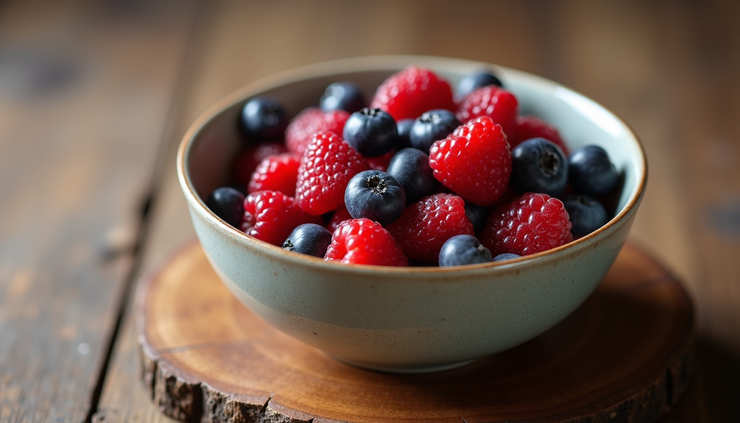
Berries: Frozen or fresh, berries like blueberries, raspberries, and blackberries are packed with antioxidants called flavonoids.
Leafy greens: Spinach, kale, and Swiss chard contain vitamins A, C, and E, which act as antioxidants.
Nuts and seeds: Almonds, walnuts, and sunflower seeds provide vitamin E and healthy fats that support antioxidant activity.
Root vegetables: Carrots, sweet potatoes, and beets offer beta-carotene and other antioxidants.
Citrus fruits: Oranges, grapefruits, and lemons remain in season during fall and winter, providing vitamin C.
Herbs and spices: Turmeric, ginger, and cinnamon contain compounds that reduce oxidative stress.
Including a variety of these foods ensures a broad spectrum of antioxidants, which work together to protect the body.
Practical Tips to Boost Antioxidants Year-Round
Maintaining antioxidant intake beyond summer requires simple, consistent habits. Here are practical ways to keep antioxidant levels high:
Plan meals around colorful vegetables and fruits to maximize antioxidant variety.
Use frozen fruits and vegetables when fresh options are limited; freezing preserves most antioxidants.
Add herbs and spices to dishes for an antioxidant boost without extra calories.
Snack on nuts and seeds instead of processed snacks.
Drink green tea or herbal teas known for antioxidant properties.
Limit exposure to pollutants and cigarette smoke, which increase free radical production.
Stay hydrated to support the body's natural detoxification processes.
These habits help maintain antioxidant defenses and support overall wellness through all seasons.

Antioxidants and Skin Health After Summer
Many associate antioxidants with summer skin protection, but they remain vital for skin health year-round. Cold weather, wind, and indoor heating dry out skin and weaken its barrier function. Antioxidants help by:
Neutralizing free radicals that cause skin aging
Supporting collagen production for skin elasticity
Reducing inflammation and redness
Enhancing skin repair and hydration
Topical antioxidant serums with vitamin C or E, combined with a diet rich in antioxidants, provide a two-pronged approach to maintaining healthy skin during fall and winter.
Supporting Immune Health with Antioxidants
The immune system faces challenges during colder months, including increased risk of colds and flu. Antioxidants support immune cells by protecting them from oxidative damage and improving their function.
Vitamin C, a powerful antioxidant, is well-known for its role in immune defense. Studies show that regular intake of vitamin C-rich foods can reduce the duration and severity of colds. Other antioxidants like vitamin E and selenium also contribute to immune resilience.
Focusing on antioxidant-rich foods helps the body stay strong against seasonal illnesses.


Comments